




Budgeting
What running really costs: shoes, events and gear
Running looks free until you add up shoes, entries and the small stuff. Here is an honest look at where the money really goes, and what can wait.
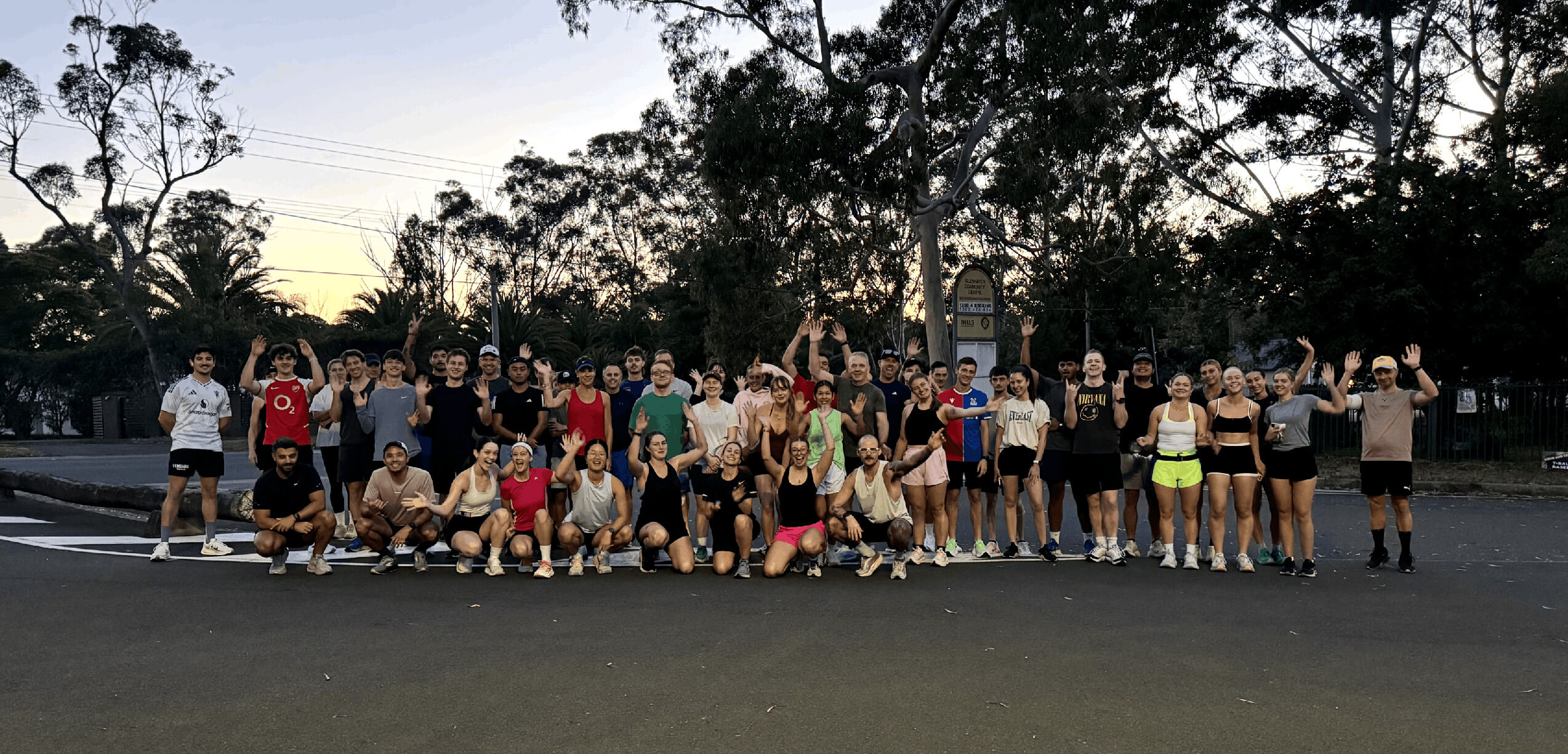
How much does running cost? Less than most people fear, and more than nothing. There is one cost every runner shares, which is shoes, and a longer list of optional ones: event entries, a watch, and the small stuff that trickles in around the edges. Running with Hills Run Club is free, which removes the biggest worry before you have bought anything, so what is left is a budget you control. Here is where the money actually goes, and what can safely wait.
Where the money actually goes
Almost every dollar in running lands in one of three buckets. Shoes do the work, so they are the one purchase most runners eventually make. Event entries are the choice to test yourself somewhere new, from a local fun run to a big city race. And the small stuff, from socks to coffee after a morning run, adds up slowly and only if you let it. The table below is the honest version: what each bucket holds, and whether a beginner needs it yet.
| Bucket | What sits in it | Do you need it to start? |
|---|---|---|
| Shoes | Running shoes, or the sports shoes you already own | You need something on your feet, not a new pair on day one |
| Event entries | Fun runs, charity runs and bigger races | No. They are a choice, and club runs are free |
| Small stuff | Socks, sun protection, coffee, transport | No. It adds up slowly and only when you want it to |
| Club runs | Registration for each run | Yes, and it is free: register in HRC+ and the run costs nothing |
Shoes are the spend worth getting right
Shoes are where the money is worth spending, because your feet do all of the work. Brands such as Nike, adidas and HOKA make running shoes across a wide range, and no single brand or price tag makes anyone a runner. What matters is that the shoe fits your foot, feels comfortable over a few kilometres and suits the ground you run on.
You also do not need them before your first run. If you own a pair of sports shoes, run in those, then buy running shoes once the habit has clearly stuck. Replace a pair when the cushioning starts to feel flat or the tread wears smooth, not on a schedule. That single rule keeps the biggest line in a running budget honest.

Event entries: the optional part
Event entries are the most optional cost in running, and the easiest one to overspend on in a burst of enthusiasm. Local fun runs usually charge a modest entry fee, bigger city races charge more, and the largest marathons can be genuinely hard to get into, with our guide to why big marathon races are so hard to get into now explaining why. None of it is a toll you pay to call yourself a runner.
For a first event, pick a short local distance, enter early and treat the fee as the ticket, not the training plan. Nothing about the club week needs an entry: the Thursday Morning Run and the Tuesday Night Run are free and on the calendar every week and every second week. Racing is a bonus, not a membership fee.
The small stuff that quietly adds up
The small stuff is where running budgets quietly grow. None of it is required, and most of it is worth buying only when a gap starts to annoy you:
- Socks. A small upgrade that helps prevent blisters, and usually the first thing worth buying after shoes.
- Sun protection. A cap, sunglasses and sunscreen for daytime running, which in Sydney is barely optional for half the year.
- Coffee. The Thursday Morning Run finishes with coffee and a sweet treat afterwards, which is the pleasant kind of small spend and entirely your call.
- Transport. The Tuesday Night Run has plenty of parking around the meeting point at Castle Hill Showground, but getting there is on you.
- Club apparel. A singlet or tee to wear the colours, whenever you feel like it and never because you have to.
- A watch. Useful later if you care about pace and distance, but a 2.5 km or 3 km lap does not need one.
What it costs to run with Hills Run Club
Here the budget is simple: running with Hills Run Club is free. Members make a free HRC+ account, which is the club's membership program, and register for each run there. There is no joining fee and no weekly fee, and every run offers a short and a longer distance option, with one lap a full run either way. Walkers are welcome at both.
The Thursday Morning Run meets 5:45am for a 6:00am start every Thursday at Glenhaven Oval, 78 Glenhaven Road, Glenhaven, with 2.5 km or 5 km options. The Tuesday Night Run meets 6:45pm for a 7:00pm start every second Tuesday at Castle Hill Showground, Castle Hill, under the lights, with 3 km or 6 km options. Check the runs page for dates, register in HRC+, and the week's running costs nothing. Upcoming runs include the Thursday Morning Run on 15 October and the Tuesday Night Run on 20 October.
How to keep a running budget honest
An honest running budget rewards showing up first. The order that works for most people is: run free in the shoes you own, buy one well fitting pair of running shoes once the habit has stuck, enter an event when a date genuinely excites you, and add gear only when something wears out or a gap annoys you. If you are right at the start, the cost of running for beginners walks through the first three months in the same order.
Keep the weekly floor at zero. Everything above it should have a reason you can say out loud, and most of it can wait a season without costing you a single kilometre.
The only cost every runner shares is a pair of shoes. Everything else, from event entries to watches, is optional, and running with Hills Run Club is free once you register each run in HRC+.
A pair of running shoes. You can do your first runs in sports shoes you already own, then buy running shoes once you know the habit will stick.
No. Club runs are free with HRC+ registration. Entry fees are for events you choose, from local fun runs to bigger races, and none of them are required.
When the cushioning starts to feel flat or the tread wears smooth. There is no fixed schedule, and replacing shoes on feel keeps the budget honest.
Nothing before the first run. After a few weeks, one well fitting pair of running shoes is the purchase that earns its place, with socks and sun protection next if you want them.
More from the newsroom
 19 October 2026
Ice baths after a run: the recovery ritual, explained
 19 October 2026
Are running socks worth it? What beginners should know
 19 October 2026
Why so many more people say they run or jog
 19 October 2026
The words you will hear at a run: a beginner's glossary
 19 October 2026
Running over Christmas: keep one easy lap in the week
 19 October 2026
Which running clubs in Sydney are good for making friends