






Recovery
Ice baths after a run: the recovery ritual, explained
Cold plunges are everywhere and plenty of runners swear by them. Here is what an ice bath after a run is really about, and when coffee wins.

An ice bath after a run is a short soak in cold water, usually in a tub, bin or plunge at home or at a gym, that runners use to help their legs feel fresher after a hard or long session. It is one of the most talked about recovery rituals in running right now, and it is also one of the most misunderstood. This article explains what the cold plunge after a run is about, what runners say it does for them, how to try one safely, and why a warm coffee afterwards might be the better finish for most of us.
What an ice bath after a run actually is
The idea is simple. After you finish running, you sit in cold water for a short time so the chill helps calm down the muscles you have just worked. Runners have done it for decades, from elite athletes filling a wheelie bin with ice at a race finish to everyday runners standing under a cold shower because the bath option feels like a step too far.
In practice it usually means cold water from the tap with ice added, a purpose-built plunge tub that keeps the water cold, or a cold shower as the low-effort version. The aim is the same in every case: cold on tired legs for a short, tolerable window, then out, warm up and get on with the day.
Why runners take the plunge
Ask around at any group run and you will hear the same few reasons. Runners say the cold:
- Makes sore legs feel less heavy and less achy in the hours afterwards
- Takes the edge off next-day soreness after a long run or a hilly session
- Feels like a genuine mental reset, the kind that leaves you wide awake and oddly proud of yourself
- Gives hard training blocks a clear end point, a small ritual that says the session is done
It is worth being honest about the science, too. Research on cold water recovery is genuinely mixed: it can help with how legs feel, while some studies suggest that very cold water straight after hard sessions might blunt some of the training adaptations you are chasing. The practical takeaway for most runners is that an ice bath is a tool for comfort and routine, not a magic fix, and on easy days the warm option costs nothing.

Ice bath or cold plunge: is there a difference
You will see both words used, often for the same thing. The difference is mostly the equipment and the price tag, not the experience.
| Ice bath | Cold plunge | |
|---|---|---|
| The tub | A bath, stock tank, wheelie bin or tub filled with water and ice | A purpose-built tub or barrel that chills and holds the water for you |
| The water | Cold tap water with ice added, so it warms up over time | Chilled water held at a set temperature, no ice needed |
| Where you find it | Home bathrooms, backyards, race-day recovery tents | Gyms, recovery studios, back patios |
| The claim | Cold on tired legs for a short soak | Exactly the same, in a tidier package |
For a runner deciding whether the ritual suits them, the takeaway is reassuring: a bathtub and a bag of ice does the same job as an expensive plunge tub. There is no need to buy anything to find out whether cold water agrees with you.
How to try an ice bath safely
If you want to give it a go after a run, keep it simple and keep it kind. A few rules of thumb:
- Keep the soak short. A brief dip is enough, and staying longer is not better.
- Make it cold but tolerable. Cold enough to make you gasp is doing the job; painful is a sign to get out.
- Never push through numbness, dizziness or pins and needles. Get out, warm up slowly and move on.
- Do not combine it with anything that raises the stakes, and check with your doctor first if you have a heart condition, circulation problems or you are unsure.
- Warm up properly afterwards with dry clothes, a warm drink and gentle movement.
When the coffee at Glenhaven is the better finish
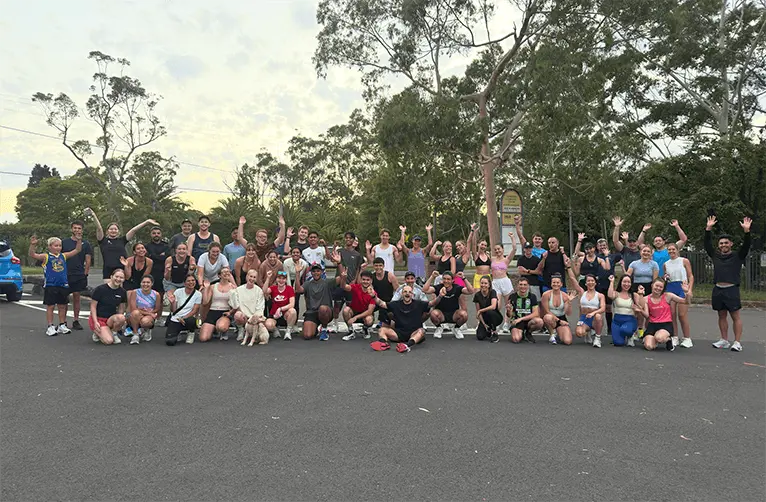
Here is the part most recovery content skips: what you do in the half hour after a run matters as much as what you do to your legs, and company is a big part of that. At the Thursday Morning Run we meet from 5:45am for a 6:00am start at Glenhaven Oval, 78 Glenhaven Road, Glenhaven, with 2.5 km or 5 km options so one lap is a full run and nobody is left behind. Afterwards there is coffee and a sweet treat, and that warm, easy catch-up is its own kind of recovery.
A warm drink, something to eat and a proper chat settles the nervous system, replaces the fuel you spent and turns a solo habit into something you actually look forward to. For runners whose goal is to keep showing up week after week, that is worth more than any plunge. If that sounds like your kind of finish, see the upcoming runs and register free through HRC+, our free membership, on the runs page.

So do you actually need one?
For most everyday runners, no. The recovery basics do the heavy lifting: eat something with carbs and protein soon after you finish, keep moving gently through the day, sleep well and stretch if you like a routine. Our guide to the best post-run stretches and recovery routines covers the gentle part, and what to eat before and after a run covers the refuelling.
If you enjoy the cold, find it genuinely helps your legs feel fresh and you have checked it is safe for you, then an occasional ice bath is a perfectly reasonable ritual. Just do not let anyone tell you it is the difference between improving and standing still. Consistency is, and consistency is much easier when the finish line is coffee with good people.
Short. A brief soak is enough for most runners, and there is no benefit to staying in until you are numb. If it stops feeling tolerable, get out and warm up slowly.
Cold but manageable. Cold tap water with some ice is fine for a first try. The point is a chill you can sit through calmly, not a test of toughness.
Essentially, yes. A cold plunge is a tub that keeps water cold on its own, while an ice bath is water you chill with ice. The experience and the idea behind it are the same.
After, if at all. Cold water before a run can leave your legs feeling numb and heavy, which is the opposite of what you want at the start line.
No. For easy runs, food, fluids, gentle movement and sleep do the work. Save any cold-water experiments for the days that leave your legs genuinely wrecked, if you want them at all.
Hills Run Club runs every Thursday morning at Glenhaven Oval and every second Tuesday night at Castle Hill Showground, with short and longer distance options and walkers welcome. Runs are free with a free HRC+ account, which you set up at hillsrunclub.com/hrc-plus/.
More from the newsroom
 19 October 2026
Are running socks worth it? What beginners should know
 19 October 2026
Why so many more people say they run or jog
 19 October 2026
The words you will hear at a run: a beginner's glossary
 19 October 2026
Running over Christmas: keep one easy lap in the week
 19 October 2026
Which running clubs in Sydney are good for making friends
 14 October 2026
Nervous about your first run club? Seven worries answered