






Getting started
Are running socks worth it? What beginners should know
For new runners, socks are the cheapest fix for blisters and sore feet. Here is what running socks actually do, what to look for and how many pairs you need.

Yes, running socks are worth it, and for a beginner they are one of the cheapest improvements you can make. They are designed to keep feet dry and stop the rubbing that causes blisters, which is the problem most likely to cut a new running habit short. You do not need the priciest pair in the store: any sock made for running will treat your feet better than an everyday cotton one.
Why cotton socks let new runners down
Cotton is great for a lot of things. Running is not one of them. Cotton soaks up sweat and stays wet, and wet fabric swells, creases and drags across skin. On a short 2.5 km lap that might only feel warm. Add summer heat or a second lap, and the rubbing turns into a hot spot, then a blister.
New runners feel this more than anyone. Your feet are still adapting to regular impact, your stride is settling and your shoes are often new too. A damp cotton sock stacks one more small irritation on top, and blisters are the classic reason a promising first fortnight quietly stops.
What running socks do differently
A running sock looks simple, but every detail has a job. When you pick a pair, this is what you are actually paying for:
- Moisture moving fabric: merino wool or synthetic blends pull sweat off your skin instead of holding it.
- A seamless toe: no thick ridge pressing across your toes, where blisters love to start.
- A snug, shaped fit: no baggy heel or loose cuff sliding down inside your shoe.
- Light cushioning under the heel and forefoot, where each stride lands hardest.
- A cuff that stays up for the whole run without digging in.
None of this is fancy technology. It is ordinary design aimed at one outcome: feet that come off the oval in the same state they went on.
Merino, synthetic or cotton: what to choose
Most running socks are either merino wool, a synthetic blend, or a mix of both. Cotton, from the everyday drawer, is where most beginners start. Here is how they compare:
| Sock | What it does well | Where it falls short |
|---|---|---|
| Cotton everyday sock | Cheap, easy to find, fine for short walks | Holds sweat and stays damp, so it rubs and blisters |
| Synthetic running sock | Dries quickly, keeps its shape and stays light on hot runs | Can smell after big weeks and wears out with heavy use |
| Merino running sock | Handles moisture well, keeps feet comfortable in cold morning air and resists smells | Usually costs more and can wear through faster than synthetic |
For Sydney conditions, a simple rule works: synthetic or a merino blend for the hot months, merino for cold early starts. If you buy only one pair first, make it a blend that suits the season you are running in now.
How many pairs do you actually need
Two or three pairs is the honest answer. That gives you one on your feet, one in the wash and one spare in the bag, which is enough to run every week without ever pulling on a damp pair.
You do not need to replace them often either. Rotate the pairs, wash them after every run, and retire a sock when the heel or toe wears thin or the cushioning stays flat. Socks are one of the few pieces of running gear that earn their keep every single run.

Do you need compression socks?
Probably not yet. Compression socks are built for long events, big training weeks and recovery, and plenty of runners who love them started long after their first lap. A beginner's 2.5 km or 5 km Thursday option, or 3 km or 6 km on a Tuesday night, does not demand them.
If you are curious, run a month in standard socks first. Compression fit depends heavily on sizing, so if you take the next step, get measured and advised in person at a running store rather than guessing online.
New socks, meet your first club run
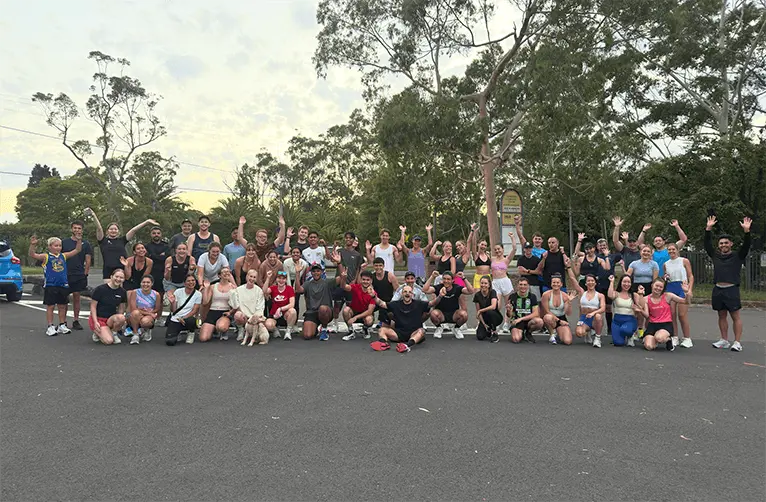
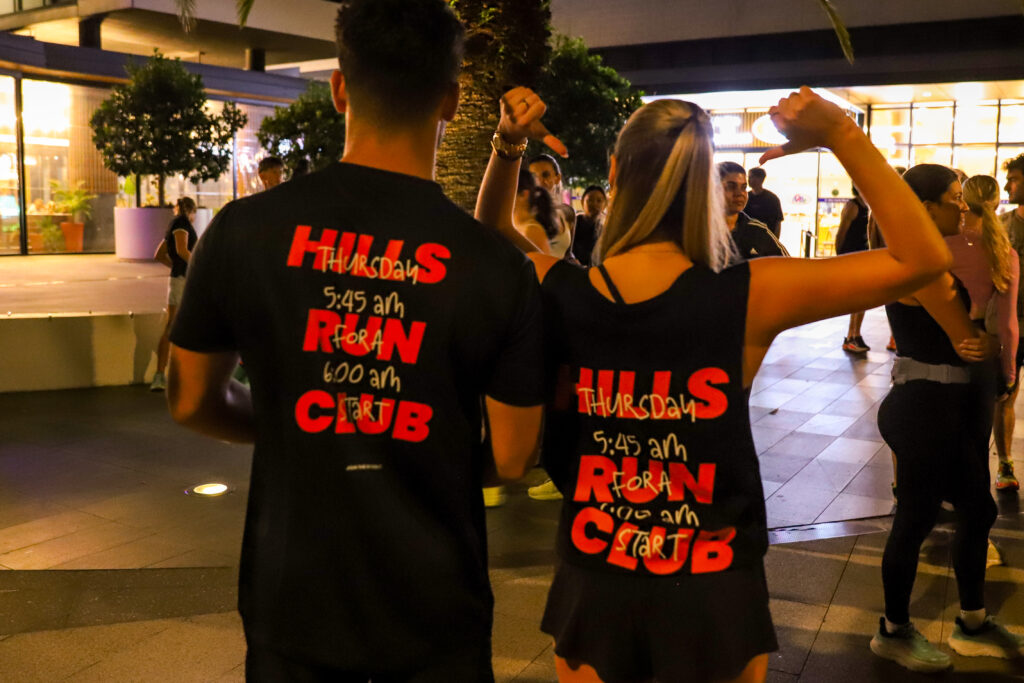
Treat new socks the way you would treat new shoes: break them in on something short. Our Thursday Morning Run at Glenhaven Oval offers 2.5 km or 5 km options, and the Tuesday Night Run at Castle Hill Showground offers 3 km or 6 km, so a first lap in new socks is never a big commitment. Walkers are welcome too, and one lap is a complete run.
Running with the club is free. Make a free HRC+ account and register for each run there, then pick your run on the runs page. If it is your first evening run with us, our guide to what to wear to your first night run covers the rest of the kit.
Socks are the gift runners always use
There is a reason running socks sit at the top of gift guides for runners: they always fit, they always get used and they wear out on schedule, so a spare pair is never wasted. If you are buying for the runner in your life, our guide to the best gifts for runners has the full list, socks included.
Yes. They keep feet drier and cut down the rubbing that causes blisters, which is the most common reason new runners lose a week of running. A basic pair made for running is enough.
You can, especially for short laps, but cotton holds sweat and stays damp against your skin. If you keep getting hot spots or blisters, switching fabric is the first thing to change.
Two or three. Rotate them and wash them after every run, and you can run every week without ever pulling on a damp pair.
Yes. They always fit, they always get used and they wear out, so a spare pair is welcome. Socks top our list of the best gifts for runners.
Not to start. Standard running socks cover short club runs comfortably. Compression fit matters most for long events and recovery, and sizing is critical, so get advice in person before buying.
More from the newsroom
 19 October 2026
Ice baths after a run: the recovery ritual, explained
 19 October 2026
Why so many more people say they run or jog
 19 October 2026
The words you will hear at a run: a beginner's glossary
 19 October 2026
Running over Christmas: keep one easy lap in the week
 19 October 2026
Which running clubs in Sydney are good for making friends
 14 October 2026
Nervous about your first run club? Seven worries answered