





Newsroom
Why big marathon races are so hard to get into now
The last London Marathon ballot drew more than 1.1 million applications, a world record. Here is how marathon ballots work, what your odds really are, and how to keep running through a miss.
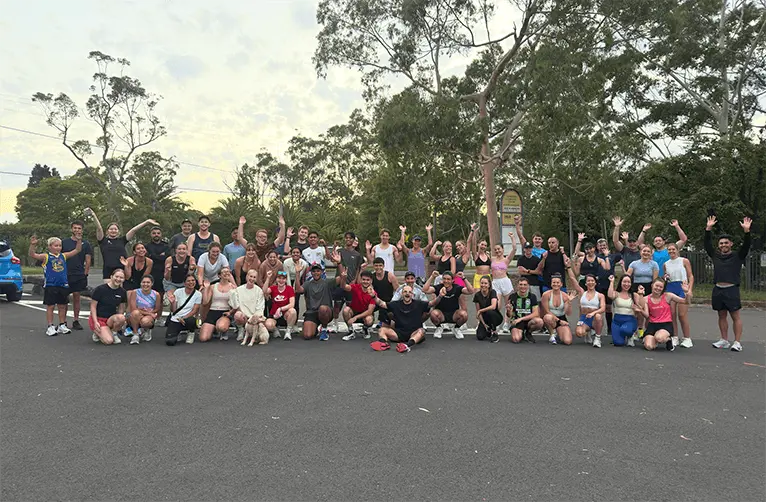
Big races are hard to get into because demand for marathons has exploded while the size of the start line has barely moved. Most major marathons now decide entry through a ballot, a random draw that treats every application the same, so plenty of ready and willing runners miss out each year. Missing one says nothing about your ability. It is a numbers problem, and there are good ways to run through it.
How a marathon ballot works
A ballot is a random draw for race places. The organisers open an entry window, usually for a few weeks, anyone can put their name in, and results come out later by email. For the big city marathons the draw is genuinely random: the Sydney Marathon ballot, for example, states plainly that it is not first come, first served, so entering on day one gains you nothing over entering on the last day.
Entering is usually free. You only pay if your name comes up, which is why hundreds of thousands of people are happy to try their luck. If you miss out, most races keep doors open: charity places, tour and travel packages, and in some cases a second chance draw. The details vary by race, so read the entry page before you decide a race is closed to you.
Why the demand has exploded
The numbers are stark. The London Marathon received 1,133,813 ballot applications for its most recent edition, according to organisers, breaking the previous world record of 840,318 and nearly doubling the 578,304 from two editions earlier. Fewer than 5% of those applicants got a place.
At home, the Sydney Marathon received more than 123,000 ballot applications, a 56% jump on the previous year, for a field of just over 40,000 starting positions. Running has become a social sport, run clubs have pulled in people who never saw themselves as runners, and the marathon has become the bucket list goal that goes with it. Meanwhile a city course can only fit so many people on the road, so the gap between who wants in and who gets in keeps widening.

What your odds look like
The table below shows how the major races near and dear to Australian runners handle entry, based on what organisers have published. Treat the odds as a snapshot, because they change every year as applications grow.
| Race | How entry works | Recent demand |
|---|---|---|
| London Marathon | Free public ballot, random draw | 1,133,813 applications, fewer than 5% successful |
| Sydney Marathon | Free ballot, random draw, not first come, first served | More than 123,000 applications for more than 40,000 starting positions |
| Melbourne Marathon Festival | Marathon places allocated through a ballot | All ballots for the most recent event have closed |
On the published Sydney numbers, roughly one applicant in three gets a start, which is generous by world standards. London is closer to one in twenty. Either way, the draw owes you nothing, and a miss is the most common outcome for a first time entrant. Planning for it is part of the process, not a sign of pessimism.
How to stay motivated through a miss
A ballot miss stings, especially if you had already started picturing the training block. Here is what actually helps.
- Enter again straight away. Ballots are random, so a miss this round changes nothing about your chances next round. Some races also run a second chance ballot or hold places for charity runners, so check the entry page before you write the race off.
- Keep a run in the week. The habit is the asset, not the race entry. One or two steady outings a week keep the base alive so that whenever a place does come up, you are starting from something.
- Train for the race you want anyway. If a marathon is the goal, a beginner marathon plan is worth following even without a date on the calendar. Our guide to marathon training plans for beginners is a good place to start.
- Do it with people. Training through a maybe is far easier in company than alone, and a club keeps the whole thing fun rather than transactional.

Keep the habit with Hills Run Club
This is where we come in. Hills Run Club is a free community running club in the Hills District of Sydney, and running with us costs nothing. Members make a free HRC+ account at hillsrunclub.com/hrc-plus/ and register for each run there, and you can see every upcoming run at hillsrunclub.com/runs/.
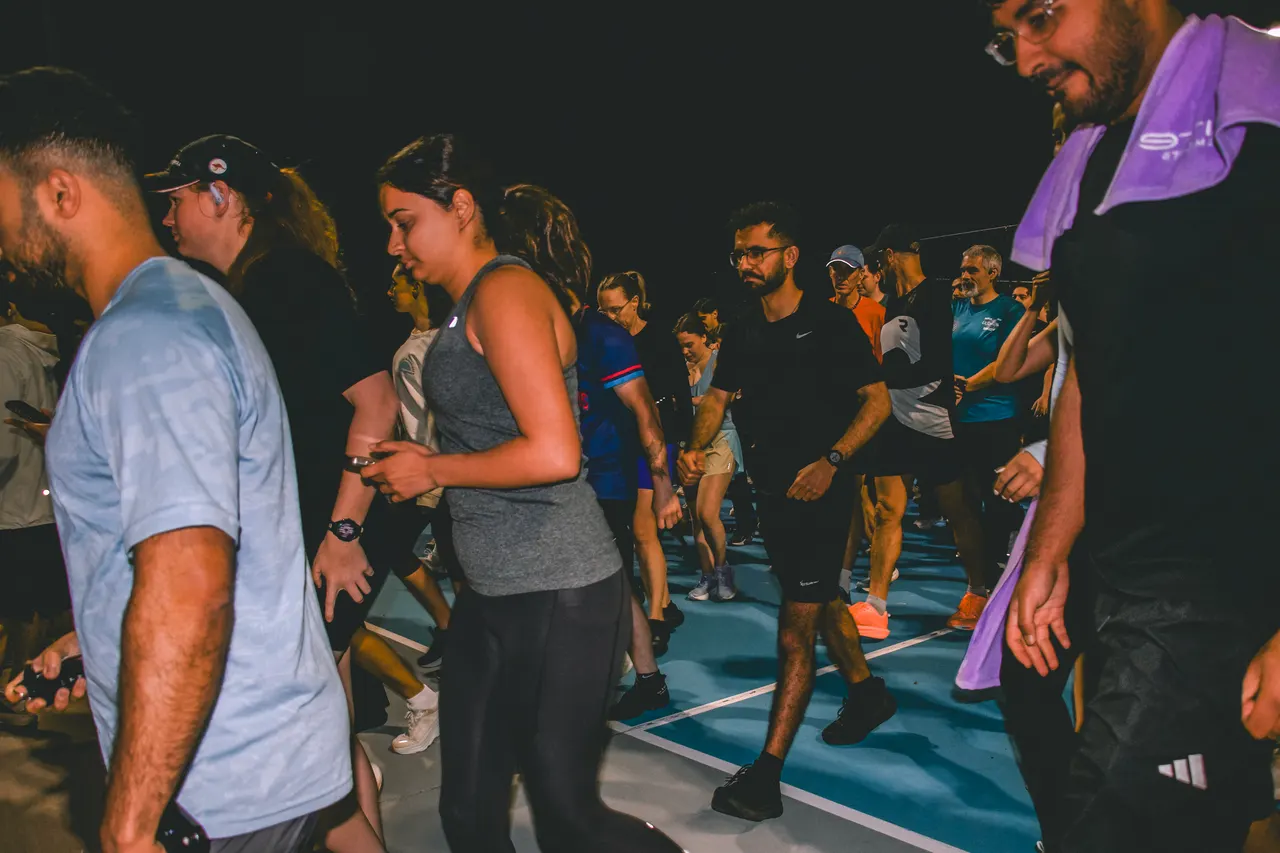
Our Thursday Morning Run meets 5:45am for a 6:00am start at Glenhaven Oval, 78 Glenhaven Road, Glenhaven, with a 2.5 km or 5 km option, one lap being a full run in itself, and coffee and a sweet treat afterwards. Our Tuesday Night Run runs every second Tuesday at Castle Hill Showground, under the lights: meet 6:45pm for a 7:00pm start, enter via Doran Drive, take the first left and follow the road to the lit oval, where the group meets at the large shed with plenty of parking around it. That one offers 3 km or 6 km. Walkers are welcome at both, and nobody will ask you for a race result.
So if the ballot went against you, or you are waiting on an email that has not arrived yet: the start line will come around again. Until it does, there is a group of people in the Hills District who would love to run with you.

Frequently asked questions
A marathon ballot is a random draw for race places. You enter during a set window, usually for free, and results come out later by email. You only pay if you are successful, and entering early does not improve your chances because the draw is random.
Fewer than 5% of applicants were successful in the most recent draw, which received 1,133,813 applications, a world record. That works out to roughly one place for every twenty entrants.
Yes. The Sydney Marathon ballot is free to enter and is a random draw rather than a first come, first served system. In the most recent round, more than 123,000 applications went in for just over 40,000 starting positions.
Enter again next round, check whether the race offers a second chance ballot or charity places, and keep a regular run in your week so your base stays ready. Training for the race anyway means you can say yes the moment a place comes up.
No. Hills Run Club welcomes runners, joggers and walkers, and every run has shorter and longer distance options, such as 2.5 km or 5 km on Thursday mornings and 3 km or 6 km on Tuesday nights. Running with the club is free with a free HRC+ account.
More from the newsroom
 2 October 2026
Running around shift work: how night runs fit in
2 October 2026
Run club etiquette: the unwritten rules of a group run
2 October 2026
How to warm up before a 6am run
2 October 2026
Running around shift work: how night runs fit in
2 October 2026
Run club etiquette: the unwritten rules of a group run
2 October 2026
How to warm up before a 6am run
 2 October 2026
Why easy running is having a moment
2 October 2026
Why easy running is having a moment
 2 October 2026
Why everyone is searching for run club apps
2 October 2026
Young adults are back at the start line: here is why
2 October 2026
Why everyone is searching for run club apps
2 October 2026
Young adults are back at the start line: here is why