




The running boom
Why so many more people say they run or jog
Global surveys count close to 785 million people who run or jog, up from 672 million three years ago. Here is what that means on the ground in the Hills District.

More people say they run or jog because running has become the simplest, most social way to move, and the numbers back it up. Global survey data shows the number of people who run or jog climbing from 672 million to close to 785 million in three years. That is more than 110 million new runners and joggers, and almost none of them are chasing podiums. They are moving slowly, with other people, close to home, and the same thing is happening at ovals and showgrounds across the Hills District.
The numbers behind the running boom
The clearest signal comes from global consumer surveys. In three years, the number of people who say they run or jog rose from 672 million to nearly 785 million. That is an increase of more than 110 million people, roughly 17 per cent, for a sport that needs no court, no membership and no season.
Just as telling is who the new runners are. The growth is not concentrated at the fast end. It shows up among everyday runners: people jogging a few kilometres, mixing walking with running, and turning up once or twice a week. Search interest tells the same story. The question people ask is not how to win a race but a simpler one: how many people run, and could I be one of them?
Why so many more people are out there
Part of the answer is cost. Running asks for a pair of shoes you probably already own, and everything after that is optional. Part of it is time: a run fits around shifts, study and school pickup in a way few sports do.
The bigger part, though, is social. Running has quietly rebuilt itself around community. Easy paces are fashionable, walk breaks are normal, and a group run is as much about the coffee afterwards as the kilometres. People are not only running more; they are running together more, and that makes the habit far easier to keep.
There is the wellbeing side too. A regular run is one of the simplest ways to clear your head, get daylight and step away from screens, and that appeal has pulled in plenty of people who never saw themselves as runners.
What the boom looks like in the Hills District
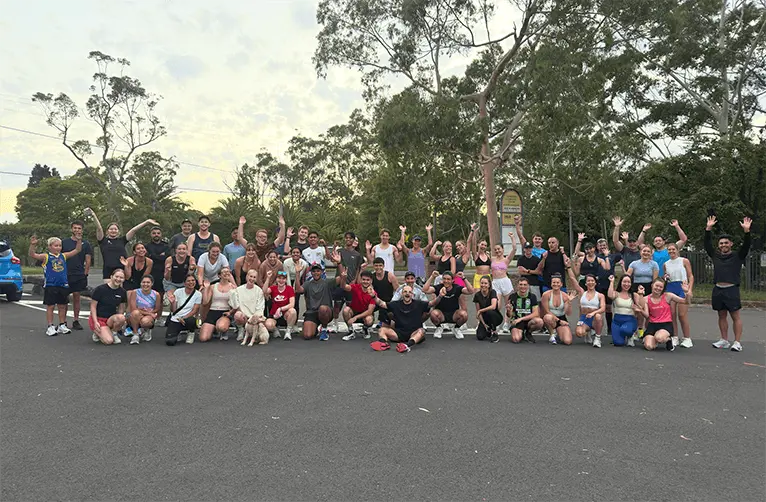
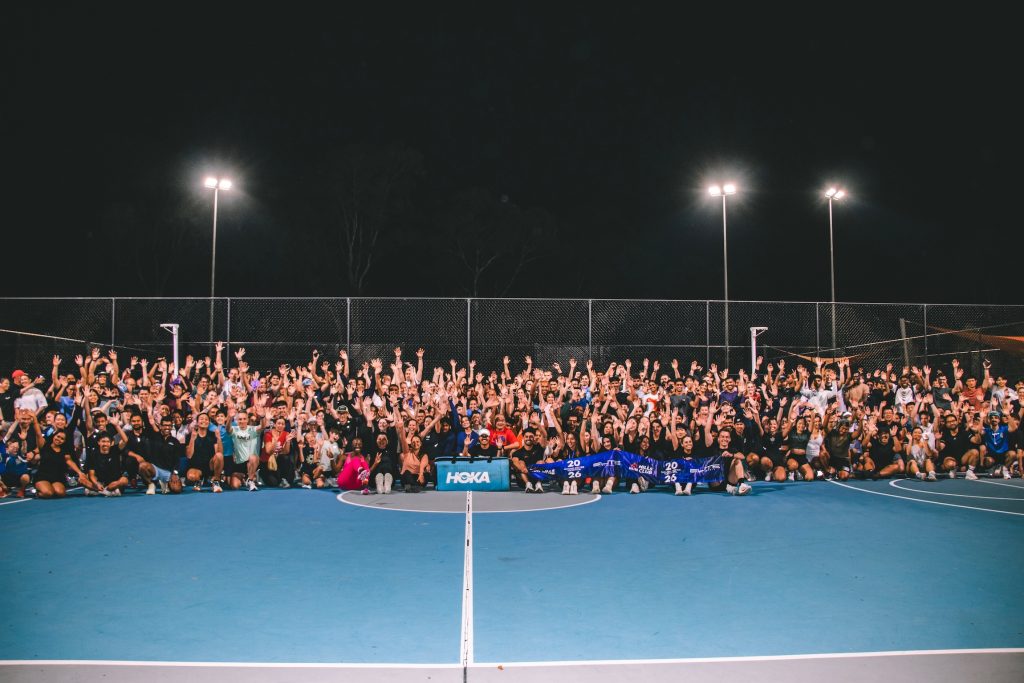
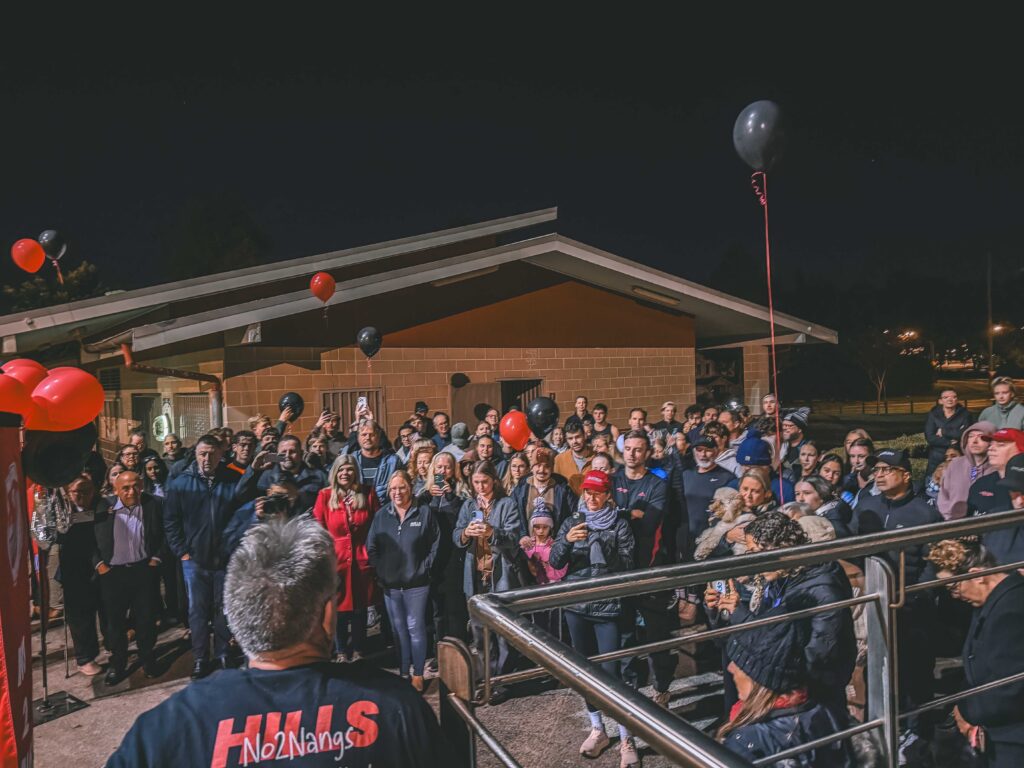
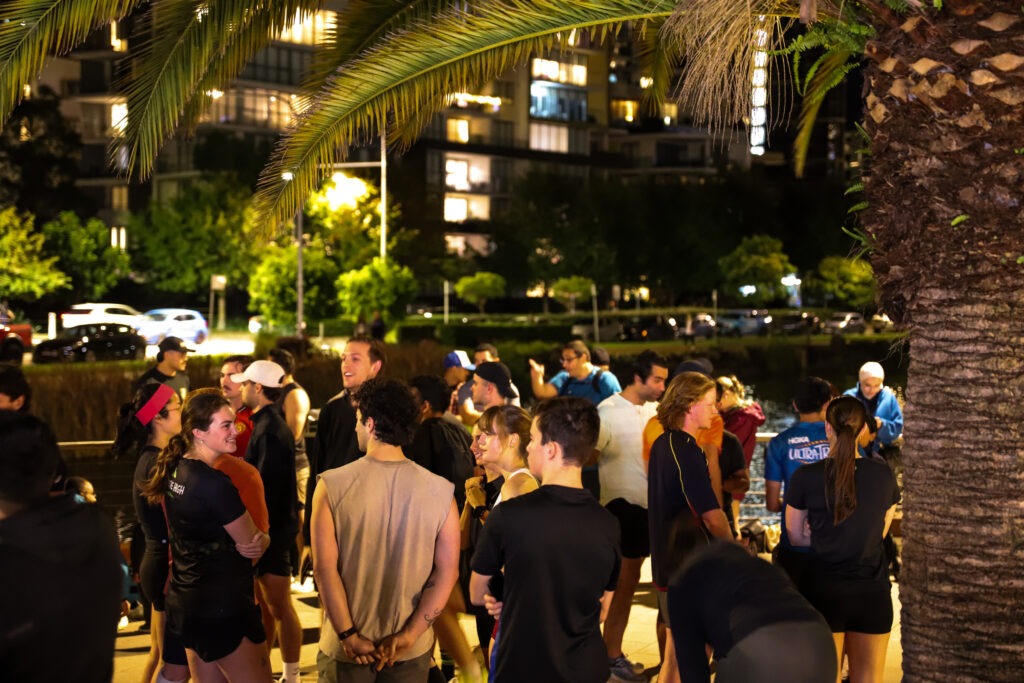
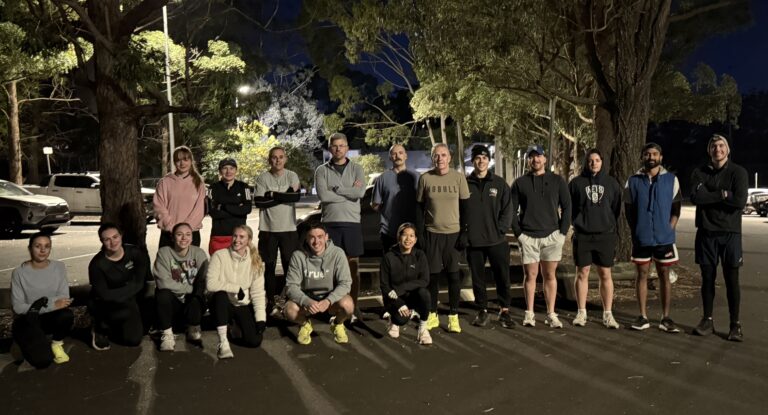
You can see the same shift here without any survey. Free community runs in the Hills District draw an easy mix of runners, joggers and walkers, and plenty of the faces are first timers working up to their first full lap. Nobody is tested on pace, and one lap of the course counts as a complete run.
It reads as a social scene rather than a competition. People meet at the start, move at their own speed and stay afterwards for coffee and a chat. That is the local version of the global trend: more people moving, at gentler paces, with company.
Two weekly runs, at a glance
If you are new, the simplest way in is one of our two regular runs. Both are free, both welcome walkers, and both have short and long options, so one lap is a full run in itself.
| Run | When | Where | Distance options |
|---|---|---|---|
| Thursday Morning Run | Every Thursday, meet 5:45am for a 6:00am start | Glenhaven Oval, 78 Glenhaven Road, Glenhaven | 2.5 km or 5 km |
| Tuesday Night Run | Every second Tuesday, meet 6:45pm for a 7:00pm start | Castle Hill Showground, Castle Hill, under the lights | 3 km or 6 km |
Register for each run through a free HRC+ account, and see what is coming up on the runs page.
Easy first steps for a Hills District beginner
The running boom does not ask you to train for anything. It asks you to start small and keep it social. Here is a plain first week:
- Make a free HRC+ account and register for the next run that fits your week.
- Aim for one lap. 2.5 km or 3 km is a complete run, not a warm up for a longer one.
- Take walk breaks whenever you need them. Plenty of people run walk the whole way.
- Wear whatever you would walk in. No watch, no special gear and no pace target.
- Stay for the coffee afterwards. The conversation is half the reason people come back.
If you are starting from zero fitness, the walk to run progression is gentle and maps directly onto these laps. Our guide to how to start running when you are completely unfit walks through it step by step.

Why running with other people makes it stick
The global numbers grow because running stopped being a solo grind. A fixed time and place, people who expect to see you and no pressure on pace turn a plan into a habit. We looked at that side of the trend in why run clubs keep growing, and what it means for you.
And the boom is welcoming by design. Beginners are not an edge case at a community run; they are the point. If more people around you are lacing up, the easiest way to join them is to pick a lap, register and come along with company waiting.
Global survey data counted close to 785 million people who run or jog, up from 672 million three years earlier. That is roughly 17 per cent growth in three years.
Because it is cheap, flexible and social. Running needs only shoes and a spare half hour, easy paces and walk breaks are normal, and running with a group makes the habit far easier to keep than going alone.
No. You can start with walk breaks and one short lap. The 2.5 km Thursday lap and the 3 km Tuesday lap are complete runs on their own, and walkers are welcome at both.
Make a free HRC+ account and register for the run you want. The Thursday Morning Run meets at 5:45am for a 6:00am start at Glenhaven Oval, and the Tuesday Night Run meets every second Tuesday at 6:45pm for a 7:00pm start at Castle Hill Showground.
Yes. Running with the club is free, and the free HRC+ membership is what you use to register for each run. Club apparel is an optional, separate purchase.
One lap. The Thursday Morning Run offers 2.5 km or 5 km and the Tuesday Night Run offers 3 km or 6 km, and the short option is a full run, not a warm up.
More from the newsroom
 19 October 2026
Ice baths after a run: the recovery ritual, explained
 19 October 2026
Are running socks worth it? What beginners should know
 19 October 2026
The words you will hear at a run: a beginner's glossary
 19 October 2026
Running over Christmas: keep one easy lap in the week
 19 October 2026
Which running clubs in Sydney are good for making friends
 14 October 2026
Nervous about your first run club? Seven worries answered