






Newsroom
What to eat before and after a run
Dinner the night before, something light on the morning, and a mix of carbs and protein afterwards: that is all the eating around a run really asks of you.
The short answer: eat carbohydrates before you run, and carbohydrates plus protein after. The night before, a normal dinner built around carbs does the job. On the morning of the run, keep it light and give your body an hour or so to settle. Afterwards, eat something within a couple of hours and drink some water. Nothing fancy, no supplements required, and for a 5 km club run you do not need to eat any differently from any other day.
Why what you eat around a run matters
Running runs on carbohydrate. Your body stores it, and a 5 km run at a chatty pace uses nowhere near enough to empty the tank. That is the good news for anyone joining a community run: you do not need a special diet, a loading phase or a fridge full of potions.
What food does change is how the run feels. Going in under-fuelled can leave you flat and heavy-legged by the second lap. Eating too much, or too close to the start, can leave you with a sloshing stomach instead. The aim is simple: top up the stores beforehand, top them back up afterwards, and keep both meals gentle enough that your stomach stays quiet.
What to eat the night before a run
The night before, dinner is doing the quiet groundwork. You are not loading up for a marathon, so a normal, balanced dinner with a good serve of carbohydrate is plenty.
- Pasta or rice with a tomato-based sauce and some chicken, mince or lentils
- Potatoes or sweet potato with vegetables and a portion of meat or fish
- A stir fry with rice, or a burrito bowl with beans
- Anything you know sits well with you. Race eve is a bad night to experiment
Keep the heavy cream, deep-fried food and very spicy dishes for another night if your stomach is easily bothered, and drink water through the evening. If you are joining us for a Tuesday night run, lunch matters just as much as dinner, so give your midday meal the same carb-friendly treatment.
What to eat the morning of a run
For a morning run like our Thursday run at Glenhaven Oval, breakfast is the meal people worry about most, and it is the one with the most room for simplicity. Something light and carb-based, eaten one to two hours before the start, is the goal.
- Toast with honey, jam or peanut butter
- Porridge or overnight oats
- A banana, on its own if you are short on time
- A small bowl of cereal with milk
Coffee counts. Most runners have their usual cup before a morning run, and the chat over coffee afterwards is just as much a part of the club as the running itself.

We have a whole guide to the best pre-run breakfast foods for runners if you want more ideas for the morning table.
How long before a run should you eat
Timing matters more than menu. The closer you get to the start, the smaller the meal should be. Here is the pattern that keeps stomachs happy.
| When | What to eat | Why it matters |
|---|---|---|
| The night before | A normal dinner built around carbohydrate, such as pasta, rice or potato | Tops up the energy stores your run will draw on, without anything heavy |
| 2 to 3 hours before | A proper light meal, such as porridge or toast and eggs | Gives your body time to digest so your stomach is settled at the start |
| 30 to 60 minutes before | A small carb snack, such as a banana or toast with honey | A quick top-up that will not sit heavily while you run |
| Within 2 hours after | Carbohydrates plus some protein, and water | Restocks energy and gives your muscles the material to recover |
What to eat after a run
After the run, your body wants two things: carbohydrate to restock what you burned, and protein to help your muscles recover. You do not need a special shake for a 5 km run. A normal meal or snack within a couple of hours covers it.
- Eggs on toast, which quietly does both jobs at once
- Yoghurt with fruit and a sprinkle of muesli
- A chicken, tuna or cheese sandwich
- Leftover pasta or rice from the night before
Drink some water too, and then carry on with your day. If you are chasing better recovery alongside better fuelling, our guide to the best post-run stretches and recovery routines pairs well with this one.

What matters and what does not
There is a lot of noise about running nutrition, and most of it does not apply to a community 5 km. Here is the honest split.
What matters:
- Carbohydrate before, and carbohydrate plus protein after
- Eating something rather than nothing, especially in the morning
- Giving yourself time to digest before the start
- Water, before and after
- Sticking to foods you already know sit well with you
What does not:
- Gels and sports drinks. At 5 km, water is enough
- Exact gram counts and perfect timing windows
- Superfoods, special runners' meals or expensive supplements
- Eating differently for a chatty club run than for any other day
If you are wondering about supplements more broadly, we have a beginner's guide to whether runners really need supplements coming to the newsroom, and the short version is the same: food first.
Eat well, run together
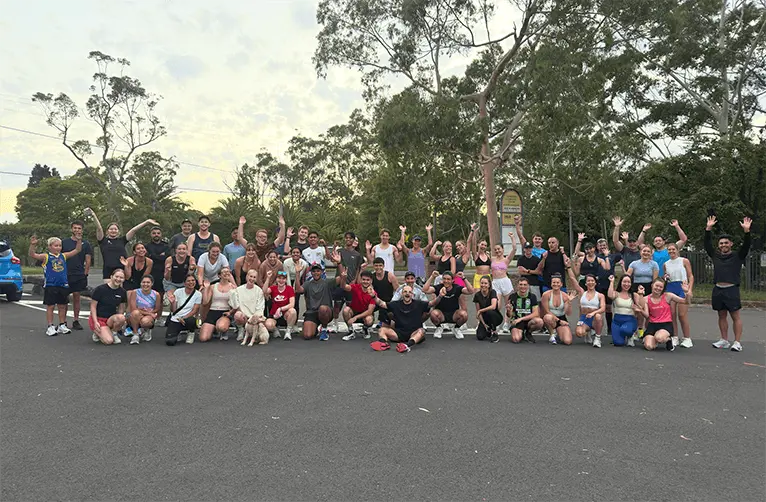
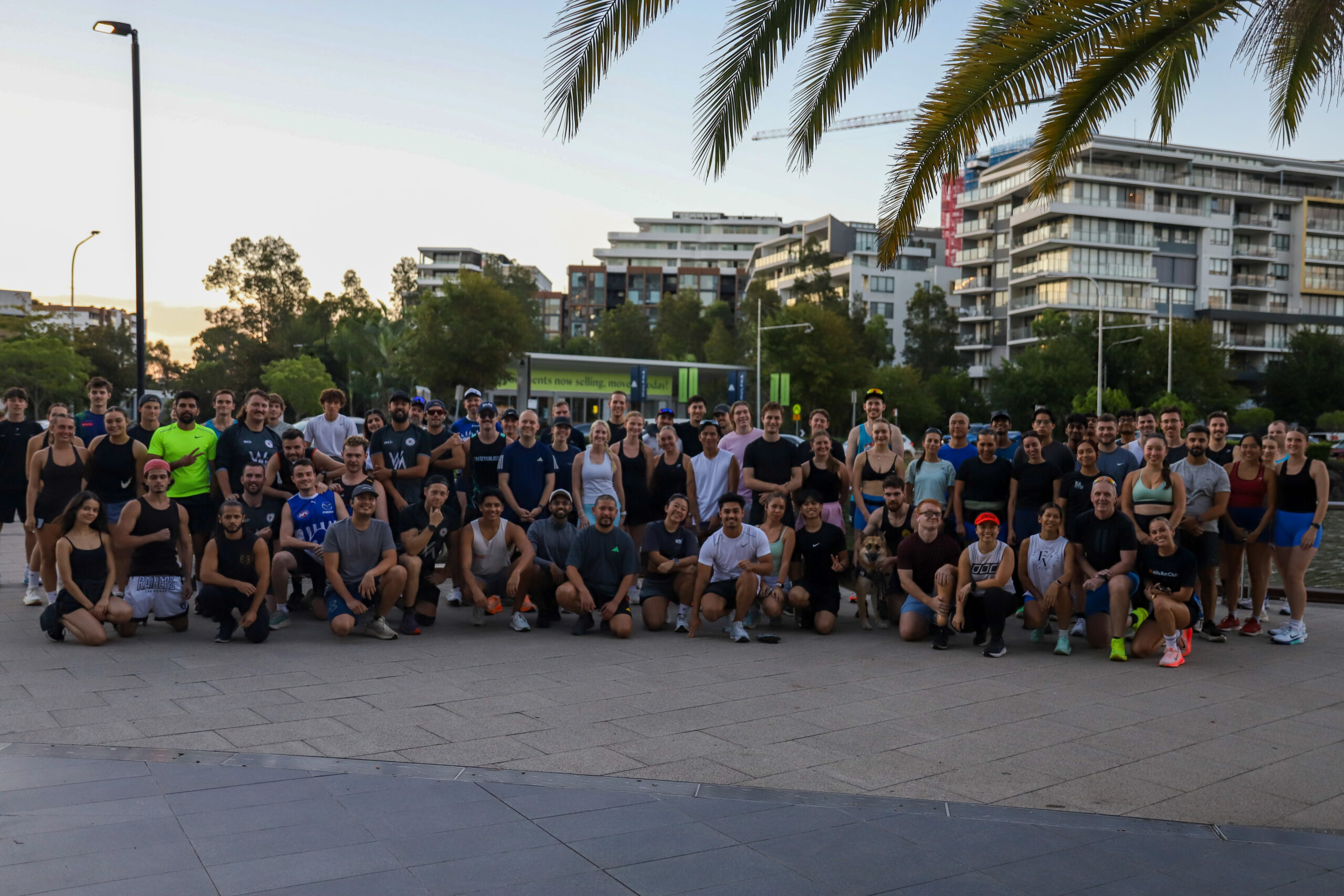
Food is half the ritual at Hills Run Club. Every Thursday morning we meet from 5:45am for a 6:00am start at Glenhaven Oval, 78 Glenhaven Road, Glenhaven, and afterwards there is coffee and a sweet treat waiting. Every second Tuesday we meet from 6:45pm for a 7:00pm start at Castle Hill Showground, Doran Drive, Castle Hill, under the lights.
The Thursday run is 2.5 km or 5 km as one or two 2.5 km laps and the Tuesday run is 3 km or 6 km as one or two 3 km laps, one lap is completely fine, and walkers are welcome. Running with the club is free: make a free HRC+ account and register for each run there. You can find every upcoming run on our runs page, including the HRC Night Run x Sydney Thunder.

Something light and carb-based, such as toast with honey, porridge or a banana, eaten one to two hours before the start. For an easy 5 km, that is all the fuelling you need.
A normal dinner built around carbohydrate, such as pasta, rice or potato with vegetables and some protein. There is no need to eat more than usual for a 5 km run.
For a short, easy run, many people are fine running without breakfast, and some prefer it. If you feel flat or dizzy, eat a small carb snack such as half a banana or a slice of toast beforehand next time.
Aim to eat within a couple of hours of finishing. Something with carbohydrates and protein, such as eggs on toast or yoghurt with fruit, helps your legs recover.
No. At 5 km, water before and after is enough. Gels and sports drinks are built for much longer, harder efforts.
No. Our runs are free, welcoming to all paces, and walkers are welcome. Make a free HRC+ account, register for a run, and come as you are. Coffee and a sweet treat after the Thursday morning run are part of the deal.
More from the newsroom
 19 October 2026
Ice baths after a run: the recovery ritual, explained
 19 October 2026
Are running socks worth it? What beginners should know
 19 October 2026
Why so many more people say they run or jog
 19 October 2026
The words you will hear at a run: a beginner's glossary
 19 October 2026
Running over Christmas: keep one easy lap in the week
 19 October 2026
Which running clubs in Sydney are good for making friends