




Fuelling up
Eating before a night run: what and when to eat for a 7pm start
Dinner is the fuelling meal for the Tuesday night crowd: when to eat it, what to put on the plate and what to do when the day runs long.
For a 7pm start, dinner does its best work two to three hours before the run, so aim to eat between about 4:30pm and 5pm, keep the plate carb forward and easy to digest, and if the day runs long, swap the big dinner for a small snack an hour before you head out. That is the whole job: a night run does not ask for special food, it asks for normal food at the right time.
Why night runs change the dinner question
When you run in the morning, breakfast is a small supporting act and the real fuelling happened at dinner the night before. On a Tuesday night it is the other way around: dinner is the meal that matters, and for most people it lands in the few hours before the start line.
The good news is that the distances are friendly. The Tuesday Night Run offers one 3 km lap or two, and one lap is a full run. You are not carb loading for a marathon, you are topping up a tank that is already mostly full. That means the goal is comfort: enough fuel to feel strong, and a stomach that stays quiet for the whole run.
Your eating timeline for a 7pm start
Here is how the evening usually flows for the Tuesday crowd, from the desk to the start line at Castle Hill Showground.
| Time | What to do | Why it works |
|---|---|---|
| 4:30pm to 5pm | Have your main dinner | Two to three hours leaves time to digest before the start |
| 5pm to 6:30pm | Keep it light if you are peckish | A small snack tops you up without sitting heavy |
| 6:30pm to 6:45pm | Sip water and head to the showground | You arrive hydrated rather than full |
| 6:45pm | Meet at the large shed, run starts 7:00pm | Plenty of parking around the shed |
| 7:00pm | Run. One 3 km lap or two, walkers welcome | Go at your own pace and enjoy it |
What to put on the plate
A pre-run dinner looks a lot like a normal, sensible dinner, just timed a little earlier and kept simple. A few rules of thumb:
- Carbs first: rice, pasta, potato, bread or wraps give your legs something to burn.
- A moderate serve of protein: chicken, mince, eggs, tofu or tinned fish all work.
- Go easy on fat and fibre: creamy sauces, fried food and very large serves of beans or cabbage-family veg sit heavy and can catch up with you mid run.
- Drink through the afternoon rather than one big glass at 6:40pm.
- Nothing new on run day: eat food you have tested before, not a takeaway you have never tried.
If you want the longer version of that last point, we keep a full guide to foods to avoid before a run, and almost all of it applies to Tuesday night as much as any other run.

When dinner has to wait until later
Real Tuesdays do not always cooperate. Work runs late, the commute drags, someone needs picking up, and suddenly it is 6:20pm and you have not eaten since lunch. Do not panic eat a big dinner and hope for the best. Go small instead.
- A banana, a couple of pieces of toast with honey, a muesli bar or a tub of yoghurt, 30 to 60 minutes before the start.
- Keep the serve small: this is a top up, not dinner.
- Have your proper dinner after the run instead. You will have earned it and it will sit a lot better.
- If you are unsure how long to leave between eating and running, our plain guide to how long before a run you should eat covers both the morning and night versions of the question.
Getting to the start line on a Tuesday
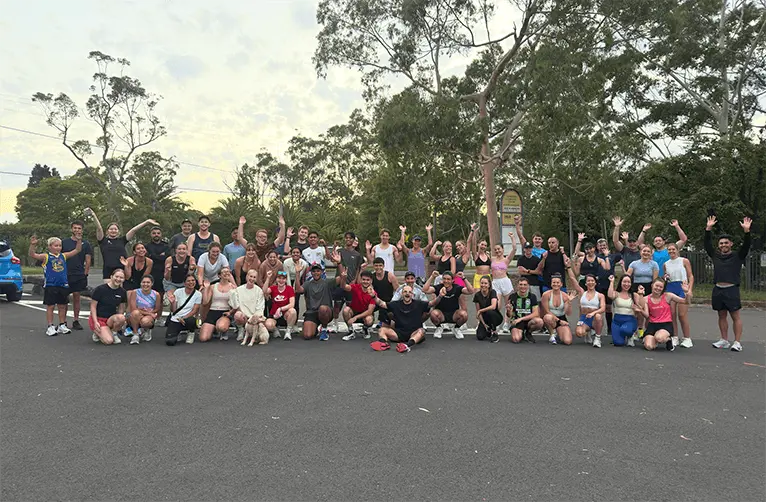
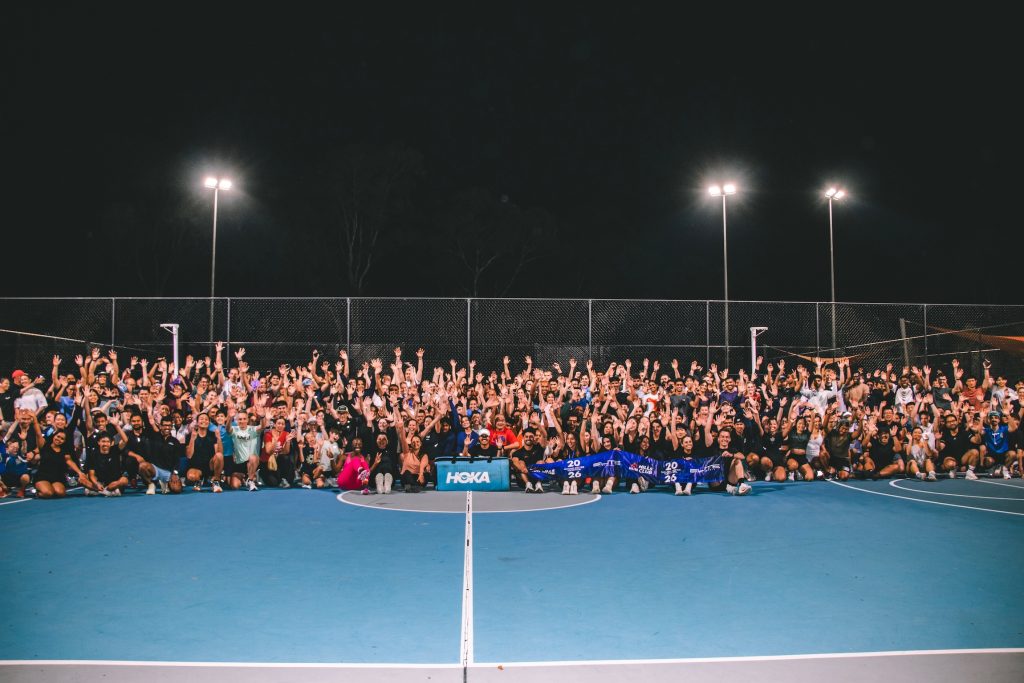
The Tuesday Night Run happens every second Tuesday. We meet at 6:45pm for a 7:00pm start at Castle Hill Showground, under the lights. Enter via Doran Drive, the entrance closest to the metro, take the first left and follow the road to the lit oval: the group meets at the large shed, with plenty of parking around it.
Running with the club is free. Make a free HRC+ account and register for each run there, then you are set. You can see what is coming up on the runs page, and the next Tuesday Night Run is on 20 October.
Do you need extra fuel for the distance
No. A normal lunch, a sensible dinner and enough water cover both options comfortably. You will see some runners at big events reaching for gels and sports drinks, but a 3 km or 6 km run under the lights does not call for any of that. Eat like a person having dinner, drink like a person who plans to be out for half an hour or so, and you will be fine.
And if you are the person who usually runs fasted or eats dinner at 8pm, nothing here is a rule you must follow. Try the earlier dinner once, see how the run feels, and adjust from there. That is how everyone finds their own version of this.
Aim to finish dinner two to three hours before the start, so around 4:30pm to 5pm for a 7pm run. If that does not fit your day, eat a small snack 30 to 60 minutes before instead and have dinner afterwards.
Something carb based and light, such as toast, a banana, a muesli bar or yoghurt, 30 to 60 minutes before the start. Save the proper dinner for after the run.
Most people find a full dinner sits heavy for the first hour or two. For a comfortable run, leave two to three hours between a main meal and the start, and keep any last minute eating to a small snack.
No. Both are covered by a normal lunch, a sensible dinner and enough water. One 3 km lap is a full run, and neither distance asks for extra sports fuel.
Aim for a mix of carbohydrates and protein within a couple of hours of finishing, which for most people is simply dinner a little later than usual. Keep the water coming too.
More from the newsroom
 13 October 2026
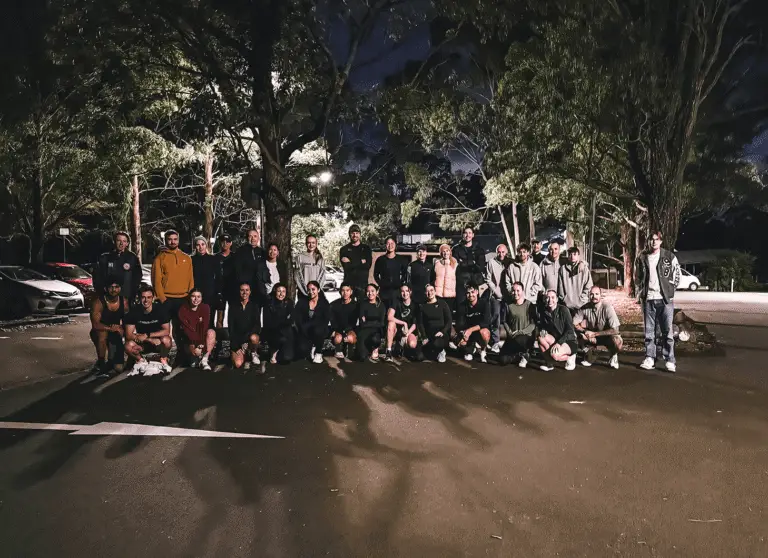
Hills Winter Sleepout: what it is and how runners can help
13 October 2026
Hills Winter Sleepout: what it is and how runners can help
 13 October 2026
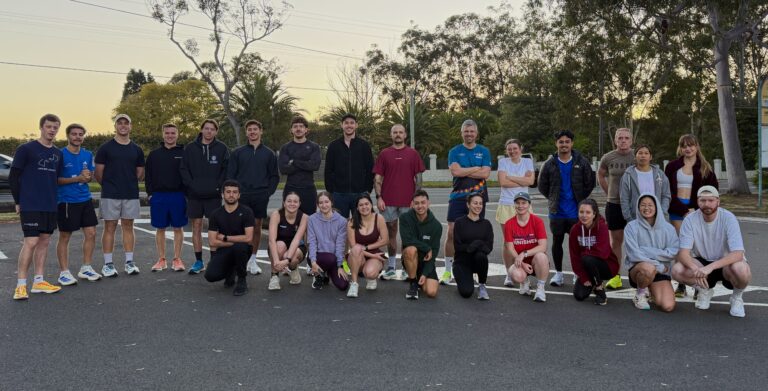
How to stay motivated to run all season
13 October 2026
How to stay motivated to run all season
 13 October 2026
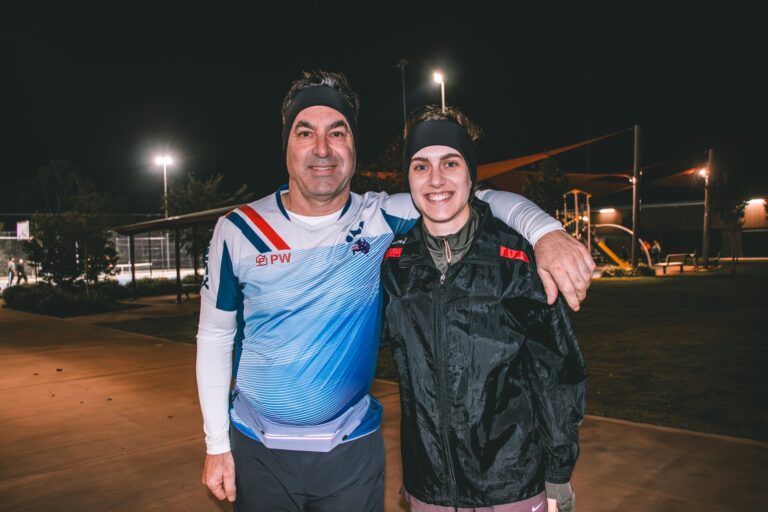
Night racing is booming around the world
13 October 2026
Night racing is booming around the world
 13 October 2026
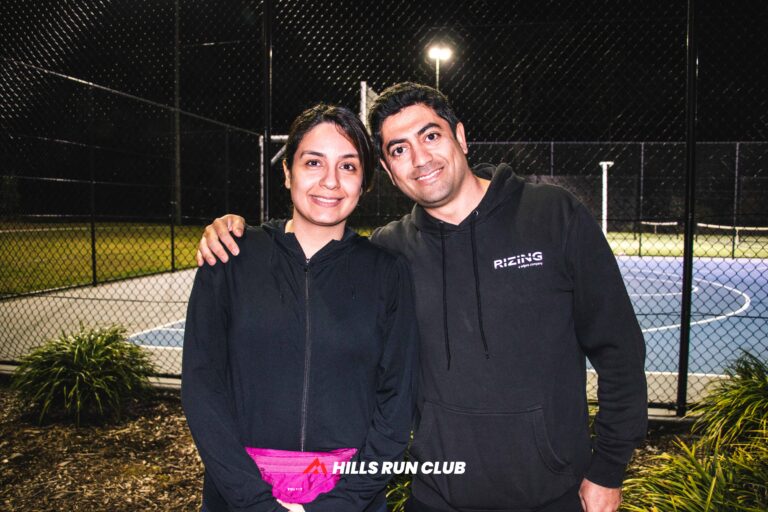
Sydney marathon training with a run club
13 October 2026
Sydney marathon training with a run club
 13 October 2026
Strava or no Strava: do you need to log your runs?
13 October 2026
Strava or no Strava: do you need to log your runs?
 13 October 2026
Women's running groups in Sydney: how to choose
13 October 2026
Women's running groups in Sydney: how to choose