





Training basics
12-3-30: the treadmill trend, explained
The 12-3-30 treadmill walking workout in plain words: what it is, whether it helps a runner, and where an outdoor lap beats the gym.

12-3-30 is a treadmill walking workout: 12 per cent incline, a speed of 3 miles per hour (about 4.8 km/h), for 30 minutes. It is a genuine workout and one of the friendliest ways to start moving again, but if your goal is running, it works best as a side dish rather than the main meal. Here is what it is, what it does, and where a lap outside beats it.
What 12-3-30 actually means
Three numbers, read left to right: 12, 3 and 30.
- 12 is the incline: the treadmill belt sits at a 12 per cent gradient, like walking up a steep hill.
- 3 is the speed: three miles per hour, which is about 4.8 km/h, a brisk walk.
- 30 is the time: thirty minutes, no planned breaks.
That is the whole workout. It became popular when a fitness creator shared it on social media, and plenty of people have tried it since because it asks for no gear, no skill and no plan: you set three numbers and walk.
Why walking uphill is harder than it sounds
Walking on flat ground barely lifts your heart rate. Add a 12 per cent gradient and it is a different story: your calves, quads and glutes do far more work, your breathing climbs, and thirty minutes turns from a stroll into a solid session.
It is still walking, though, and that is the appeal. There is no landing impact like running, your joints get a break, and you can do it indoors whatever the weather. For people who find running intimidating, that combination of high effort and low impact is exactly why the trend took off.
Does 12-3-30 help a runner?
Yes, with a caveat. The fitness and leg strength you build walking at a steep incline carry over to running, especially at the start: stronger calves and quads and a bigger engine make those first 2.5 km laps feel lighter. It is also a good option on a day when you want a workout without more pounding, and it pairs neatly with the easy pace we keep on our group runs.
The caveat: 12-3-30 is walking, and running is a different skill. It does not teach your body to handle landing, pace changes or the rhythm of moving with other people. If the treadmill is your only session, you will get fitter, but running itself will still feel new each time you try it. Use it alongside runs, not instead of them.
Where an outdoor lap beats the treadmill
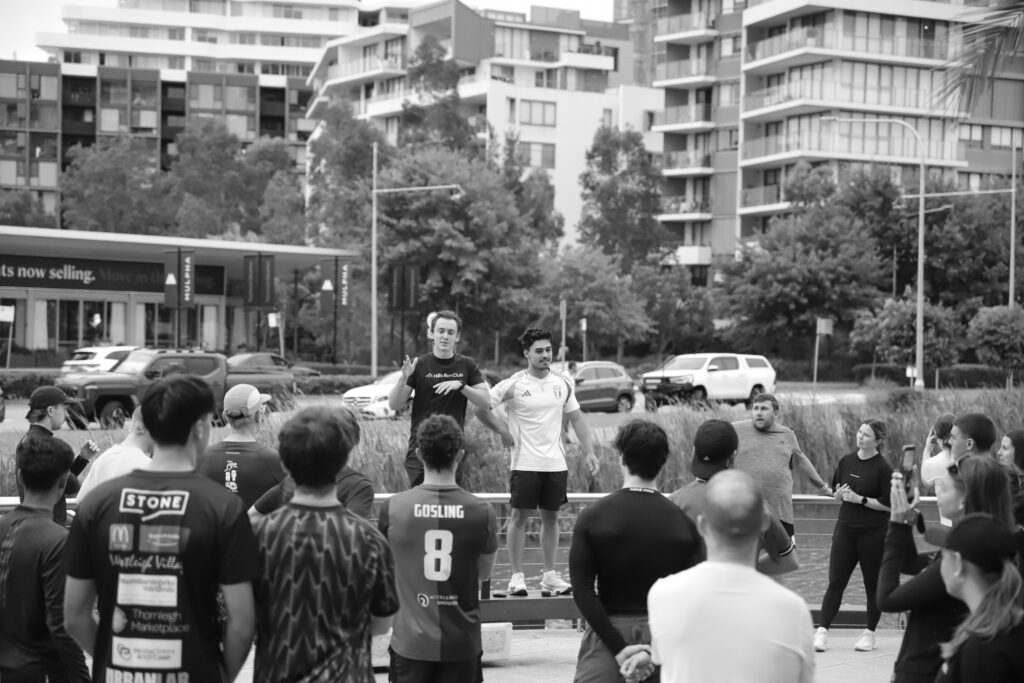
A treadmill gives you three numbers to set. A run with people gives you more than that.
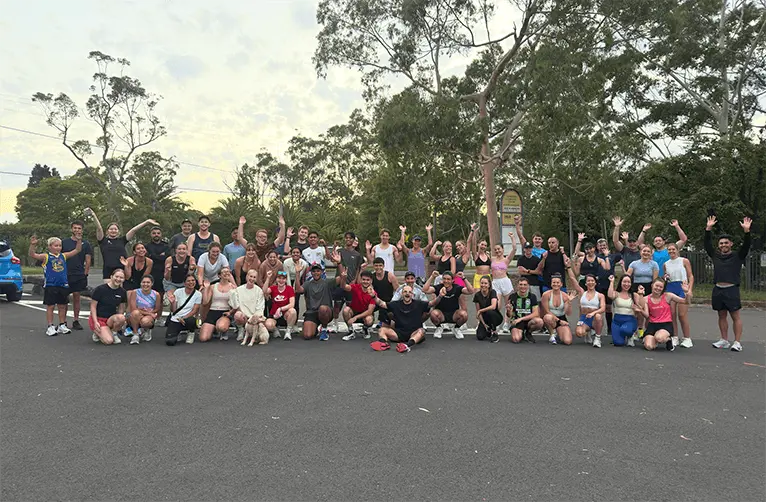
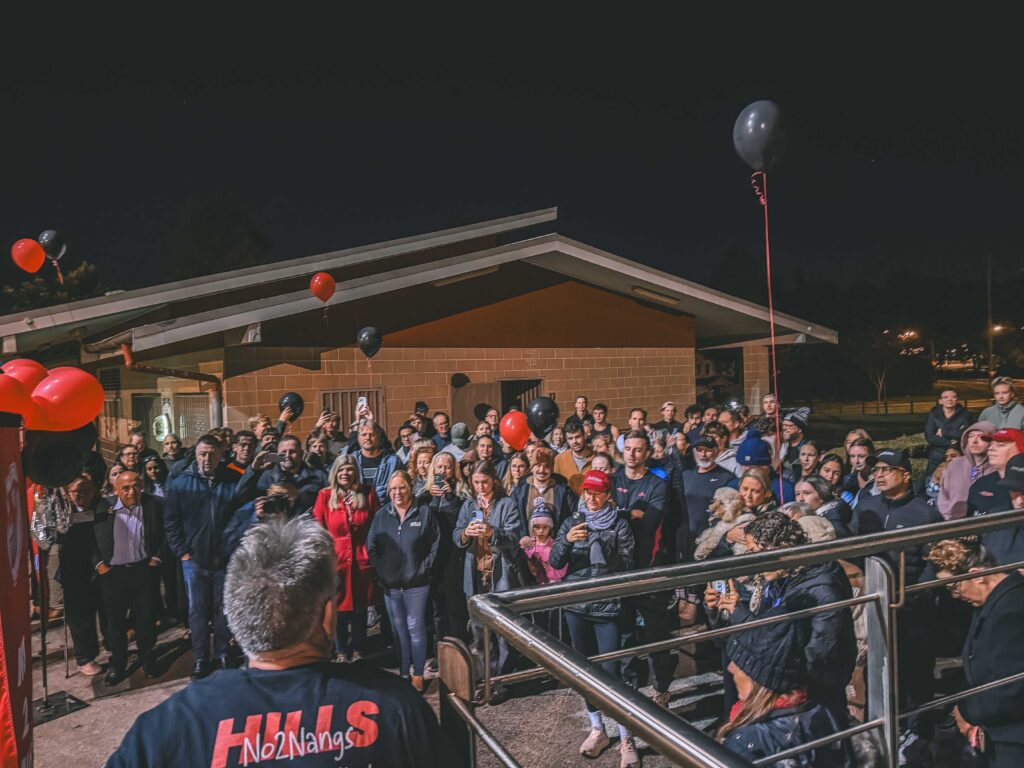
- Company. The reason people keep showing up is rarely the incline: it is other people.
- Fresh air and real conditions. Weather, daylight and surroundings all ask a little more of your body than a belt does.
- A coffee afterwards. Our Thursday Morning Run finishes with coffee and a sweet treat.
- A running habit. A set time and place, every week, is the part a treadmill cannot give you.
| 12-3-30 | A club lap outdoors | |
|---|---|---|
| Time | A fixed 30 minutes | 2.5 km or 5 km on Thursday mornings, 3 km or 6 km on Tuesday nights |
| Cost | A gym or a home treadmill | Free, once you have a free HRC+ account |
| Company | You and a screen | A group moving at your pace |
| Impact | Low, no landing | Low when you walk, higher when you run |
| Weather | Indoors, any day | Outdoors, whatever the sky does |
| Afterwards | A shower at the gym | Coffee and a sweet treat |
The treadmill wins on convenience and bad weather. Outdoors wins on everything that makes a habit stick.

How to try 12-3-30, then bring it outside
- Start lower than 12. An incline of 6 to 8 per cent at a comfortable pace is a real workout for most beginners, and steep gradients punish calves that have not met them before.
- Hold the rails lightly or not at all. Leaning on the handles takes the incline away and quietly cheats the workout.
- Add minutes gradually. If thirty minutes sounds like a lot, twenty is still a session.
- Then test it outdoors. Book a free club run and see how the fitness carries over to a 2.5 km lap with other people.
Registering is free: make a free HRC+ account and register for each run through our runs page. The Thursday Morning Run meets at 5:45am for a 6:00am start at Glenhaven Oval, Glenhaven, and the Tuesday Night Run meets every second Tuesday at 6:45pm for a 7:00pm start at Castle Hill Showground under the lights. Walkers are welcome at both.
If you are weighing the treadmill against the outdoors more broadly, Run club or gym: which one keeps you showing up takes on that whole decision. And when you are ready to turn walking into running, walk to run progression maps the path week by week.
A 12 per cent incline, a speed of 3 miles per hour (about 4.8 km/h) and 30 minutes on the treadmill. You set the three numbers and walk.
Yes. It is low impact, needs no skill and nothing but a treadmill, and it builds real fitness. Start with a lower incline and fewer minutes if the full version feels like too much.
Not entirely. It builds the fitness and leg strength that help your running, but it does not teach the skill of running itself. Use it alongside your runs.
You need a treadmill, so most people do it at a gym or on a home machine. A steep outdoor hill is a free alternative, though the belt keeps the incline steady in a way hills do not.
Yes, walkers are welcome at every run. The Thursday Morning Run offers 2.5 km or 5 km and the Tuesday Night Run offers 3 km or 6 km, and one lap is a full run. Register free through HRC+.
More from the newsroom
 14 October 2026
Nervous about your first run club? Seven worries answered
14 October 2026
Nervous about your first run club? Seven worries answered
 14 October 2026
Treadmill or outside: which is better for beginners
14 October 2026
Treadmill or outside: which is better for beginners
 14 October 2026
From 5k to 10k: a training plan for your next step
14 October 2026
From 5k to 10k: a training plan for your next step
 13 October 2026
How to stay motivated to run all season
13 October 2026
How to stay motivated to run all season
 13 October 2026
Night racing is booming around the world
13 October 2026
Night racing is booming around the world
 13 October 2026
Sydney marathon training with a run club
13 October 2026
Sydney marathon training with a run club