





New here
How pace groups work at a community run club
Different speeds, one course, nobody left behind. How pace groups work at a community run club, and what to do if you end up alone between paces.
What a pace group actually is
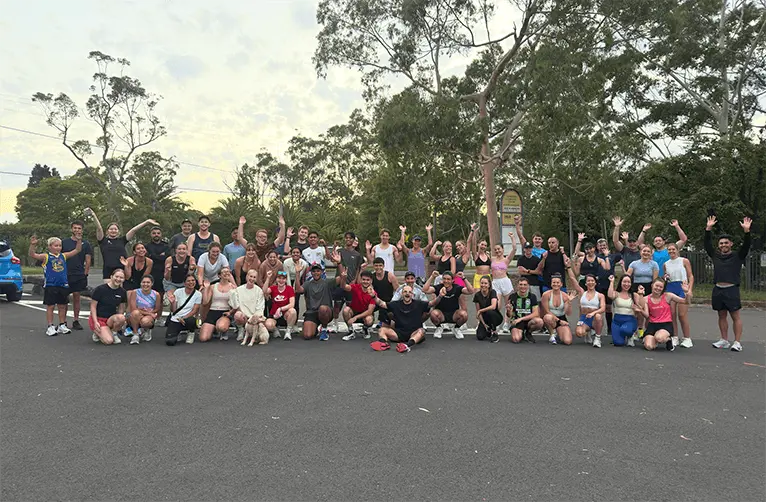
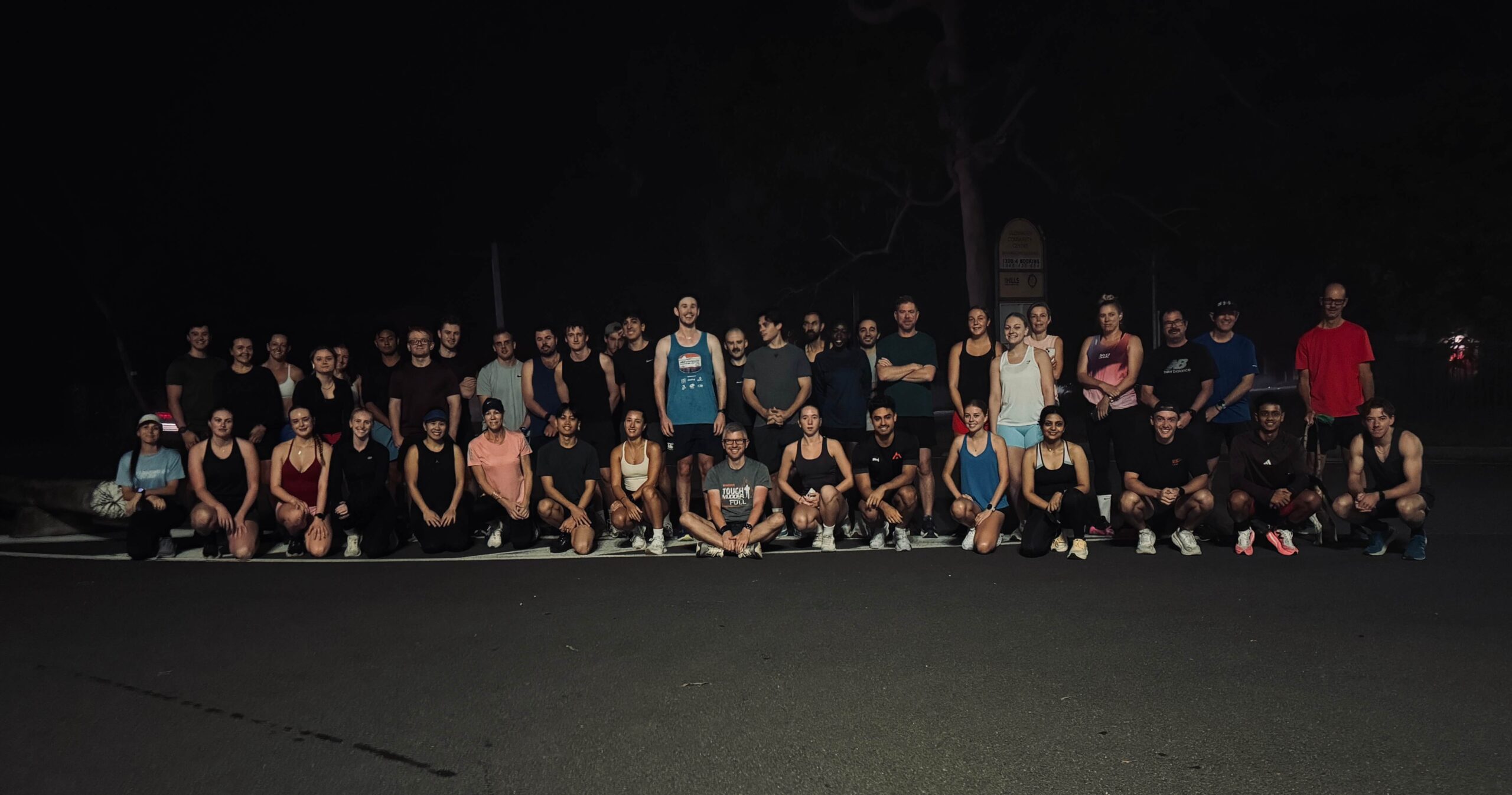
A pace group is nothing more formal than a handful of runners moving at about the same speed. At a community run club it usually forms on its own: the people running similar paces fall in together, and the run becomes a moving conversation rather than a race.
That is the whole idea. Nobody assigns you a team or grades you before you start. You pick a distance, settle into a speed that feels comfortable, and the group around you does the same. If you are wondering whether you are quick enough for any of this, we answer that properly in do you need to be fast to join a run club.
How one course fits every speed
Community runs are built on short laps, and that is what lets every pace share the same course. Faster runners are not sent off on a long loop while slower runners never see them again. Everyone runs the same ground, just one lap or two of it.
The Thursday Morning Run happens every Thursday at Glenhaven Oval, 78 Glenhaven Road, Glenhaven. Meet at 5:45am for a 6:00am start, with 2.5 km or 5 km on offer, one or two laps, and coffee and a sweet treat afterwards.
The Tuesday Night Run happens every second Tuesday at Castle Hill Showground, Castle Hill, under the lights. Meet at 6:45pm for a 7:00pm start, with 3 km or 6 km on offer, one or two laps. One lap is a full run in its own right, not a warm up for a longer one.
| Thursday Morning Run | Tuesday Night Run | |
|---|---|---|
| Where | Glenhaven Oval, 78 Glenhaven Road, Glenhaven | Castle Hill Showground, Castle Hill, under the lights |
| Distance options | 2.5 km or 5 km, one or two laps | 3 km or 6 km, one or two laps |
| Afterwards | Coffee and a sweet treat | A catch up at the finish |
Finding your pace group on the day
You do not need to know your minute per kilometre pace to find a group. The simplest guide is the chat test: if you can speak in full sentences while running, that is your easy pace, and it is the pace most of a community run travels at.
- Start with the group that feels slightly slower than you think you are. It is much easier to lift the pace than to recover from going out too hard.
- Ask at the start. Someone will happily point you towards people running a similar speed.
- Remember one lap is a full run. Choosing the shorter option is a decision, not a compromise.
- Walkers are welcome too, and walking one lap in good company is a completely normal way to take part.
If you want to understand why the easy pace matters so much, why easy running is having a moment explains the thinking behind the speed most club runs are built around.
What to do if you end up alone between paces
It happens, especially on a first run: the group ahead is a little too quick, the group behind a little too steady, and suddenly you are running on your own in between. Nothing has gone wrong. The pace clusters on the day simply did not line up with yours.
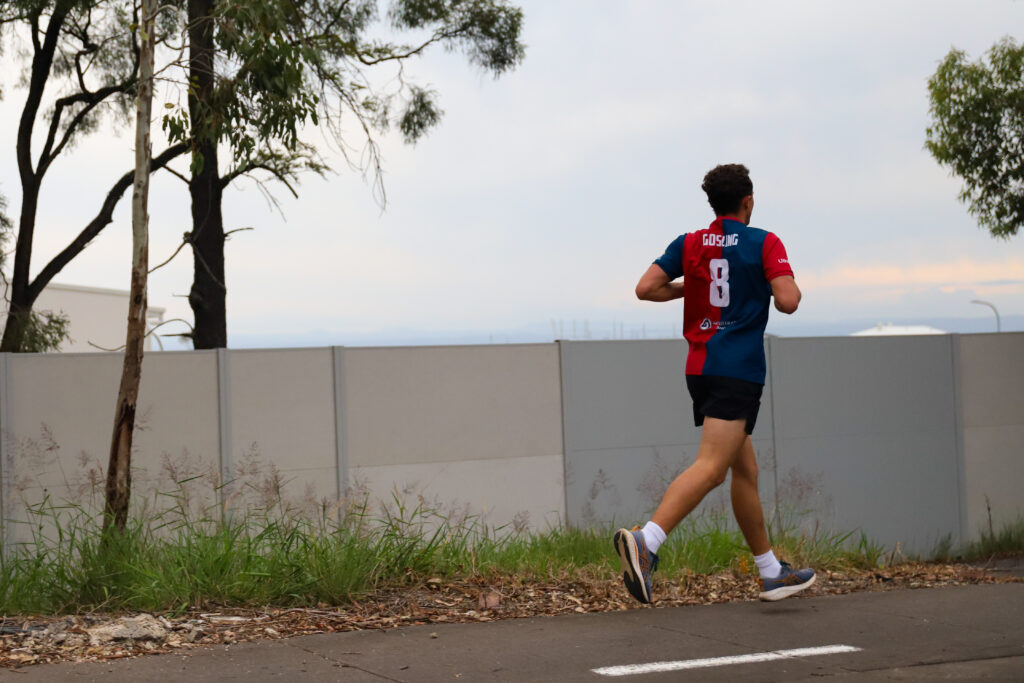
Here is what to do:
- Settle into your own rhythm and treat it as an easy run. Your pace, your lap, and nobody is scoring it.
- Remember one lap is a complete run. If the company thins out, finishing your lap is the whole job.
- Say hello as the faster runners come back through on their second lap. A lap course folds the field back onto itself, so you are never far from the group for long.
- Catch up with everyone at the finish, and stay for coffee afterwards on Thursday mornings. That is where belonging actually happens.
- Come back the next run. Pace clusters change every week as people arrive, so you will rarely sit between groups for long.
Why nobody gets left behind
The design of the run does most of the work. A short lap course keeps the fastest and the slowest within sight of each other, walkers and runners share the same ground, and nobody is sent off alone onto a long loop. Add that nobody out there is timing anything, and the pressure to keep up quietly disappears.
The club itself does the rest. The honest answer to whether you need to be fast is no, and it is not a slogan: it is built into how a community run works, from the distance options to the coffee afterwards.
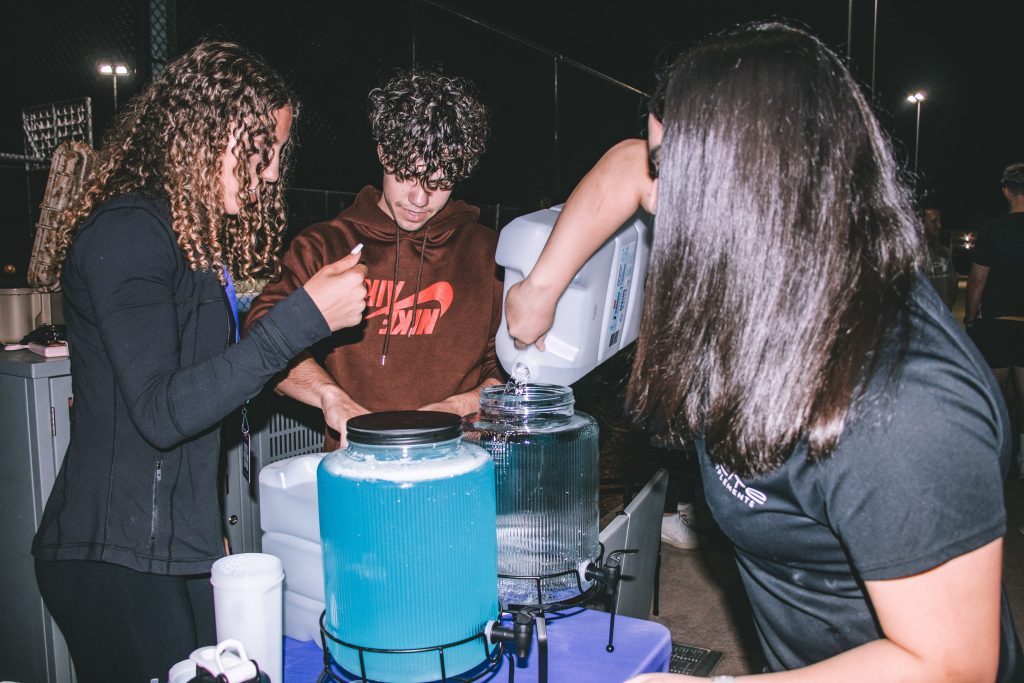
Join your first run
Every run with us is free. Make a free HRC+ account and register for the run you want on our runs page, then come along and find the pace that feels like yours. Thursday morning at Glenhaven and Tuesday night at Castle Hill give you two very different windows into the same week.
Whichever speed you land in, the point is the same: run together, belong together, and nobody finishes the morning wondering where everyone went.
None. A community run club welcomes all speeds, including walkers. Short lap options mean you can run, jog or walk a distance that suits you and still be part of the same run.
Start with the group that feels slightly slower than you expect, use the chat test, and ask at the start. If you can talk in full sentences while running, that is your easy pace, and someone will point you to runners at a similar speed.
One lap is a full run, and walkers are welcome. You will finish your lap while others are finishing or still out on their second, and everyone regathers at the end.
Settle into your own rhythm and enjoy the easy running. On a lap course the faster runners come back through, you can say hello as they pass, and the group catches up properly at the finish and over coffee afterwards.
No. The distance options are just that: options. One lap is a full run, and plenty of members happily stick to the shorter lap.
Make a free HRC+ account and register for the run you would like to join on our runs page. Running with the club is free, and you can choose between the Thursday Morning Run and the Tuesday Night Run.
More from the newsroom
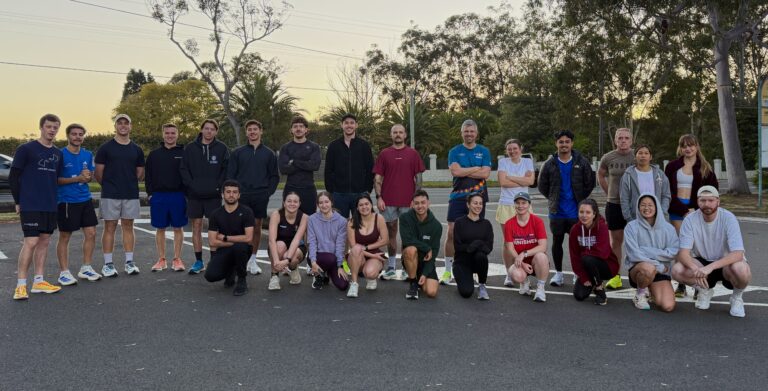 13 October 2026
How to stay motivated to run all season
13 October 2026
How to stay motivated to run all season
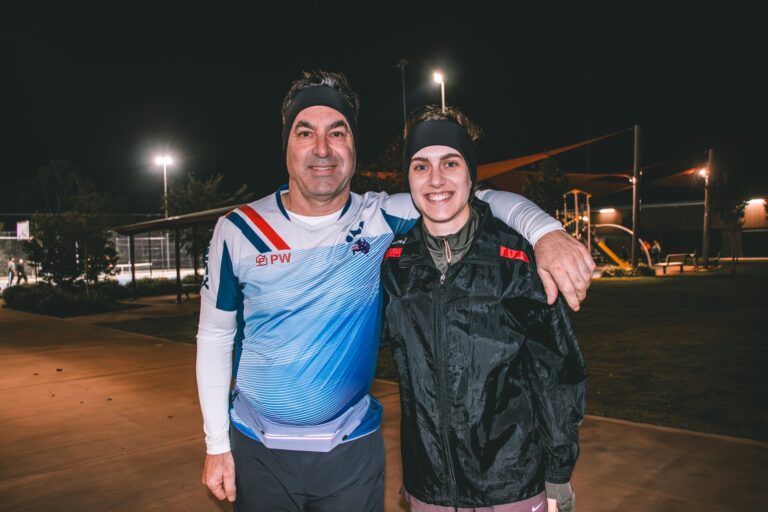 13 October 2026
Night racing is booming around the world
13 October 2026
Night racing is booming around the world
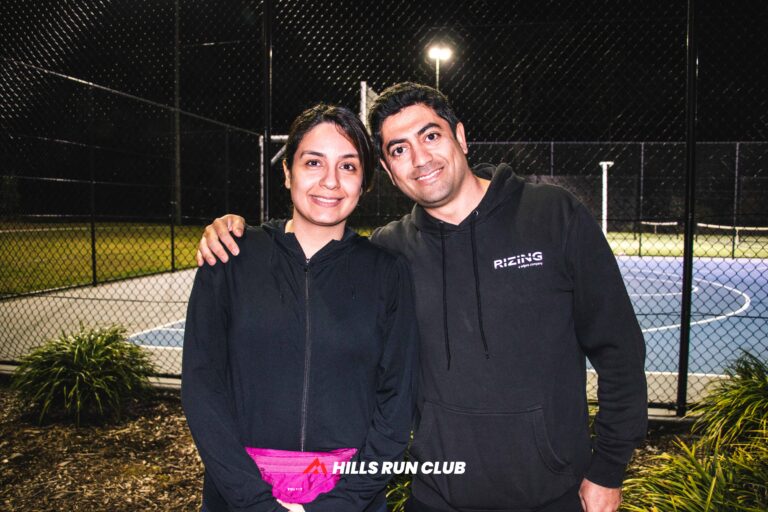 13 October 2026
Sydney marathon training with a run club
13 October 2026
Sydney marathon training with a run club
 13 October 2026
Strava or no Strava: do you need to log your runs?
13 October 2026
Strava or no Strava: do you need to log your runs?
 13 October 2026
Women's running groups in Sydney: how to choose
13 October 2026
Women's running groups in Sydney: how to choose
 13 October 2026
When is City2Surf? Training starts sooner than you think
13 October 2026
When is City2Surf? Training starts sooner than you think