





At your pace
Getting faster without racing: progress at your own pace
No start line, no stopwatch. How consistency, cadence and the same lap week by week show you are getting faster, for runners who never chase a podium.
Yes, you can get faster without racing or timing every step. Run the same lap at the same effort and it starts to feel easier: your breathing settles sooner, the hill feels smaller and you finish with more left in the tank. Getting faster is mostly consistency, a light touch on cadence and noticing how the run feels week to week, and none of it needs a podium or a watch.
A start line is optional
Races are one way to measure progress, not the only one. Plenty of people run for years without entering anything, and they still get fitter, smoother and happier on the run. If you have ever wondered whether improvement needs an entry fee and a bib, it does not.
We made the case in do you need to be fast to join a run club? that speed is not the entry requirement. The natural follow up question is what progress looks like when you never race, and the answer is more encouraging than most people expect.
Consistency is the training plan
Getting faster is less about heroic sessions and more about showing up again. A steady rhythm of easy running teaches your body to go further and feel calmer doing it, and the fancy workouts can wait for a day that may never come.
- Pick one or two regular runs a week and protect them like any other appointment.
- Keep most of the running easy enough to hold a conversation; easy running is where the engine is built, as we covered in why easy running is having a moment.
- Let the distance options work for you: take the shorter lap on a tired week rather than skipping the run.
- Treat rest days as part of the plan, not a lapse. The improvement happens between runs.
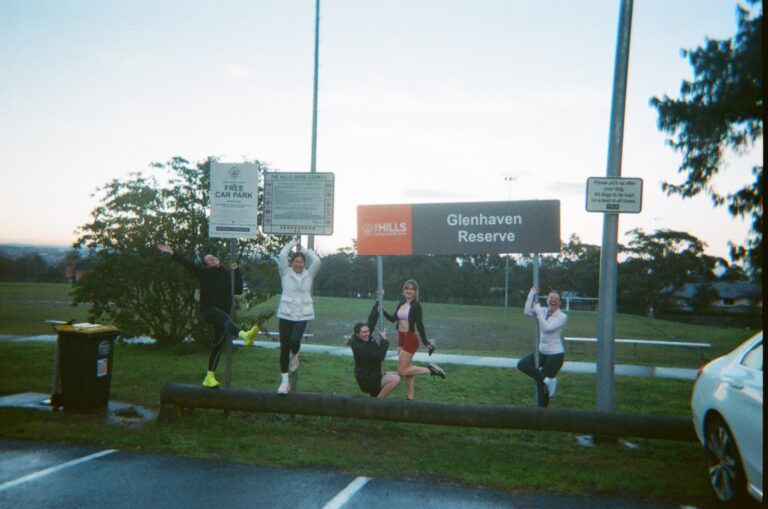
A club run is the simplest way to make consistency stick, because the time and place are already decided for you. The Thursday Morning Run is every Thursday at Glenhaven Oval, 78 Glenhaven Road, Glenhaven: meet at 5:45am for a 6:00am start, with coffee and a sweet treat afterwards. The Tuesday Night Run is every second Tuesday at Castle Hill Showground: meet at 6:45pm for a 7:00pm start under the lights.
Cadence: the easiest number to nudge
Cadence is simply how many steps you take per minute. Newer runners often reach far in front of them with each stride, which lands heavily and costs energy. Quicker, shorter steps usually feel lighter, and they are one of the few technique changes that improve almost by themselves as you run more.
- On a flat part of the lap, count the times your right foot lands for 30 seconds and double it. That is your cadence at an easy effort.
- Repeat the count every few weeks at the same point in the same lap.
- If the number drifts up a little, your form is settling. Do not chase a magic target; every runner has their own natural rhythm.
- Let regular easy running do the work. Forcing quick steps on a tired run helps nobody.
The same lap, week by week
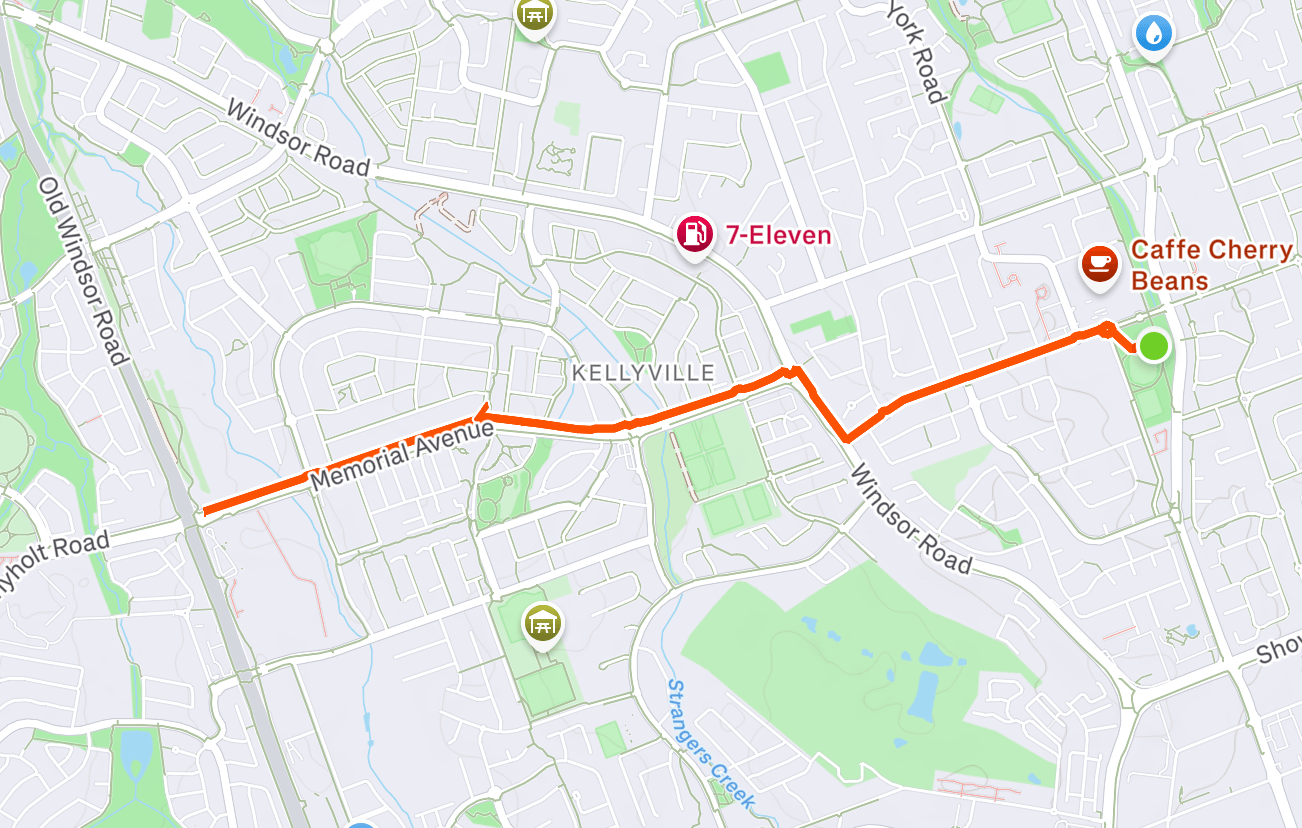
A repeated lap is the fairest test a runner can get, and it is built into our runs. The Thursday Morning Run offers 2.5 km or 5 km distance options, one or two laps of the same 2.5 km loop, and the Tuesday Night Run offers 3 km or 6 km options, one or two laps of the same 3 km loop. One lap is a full run in itself.
Run the same lap at a comfortable effort for a few weeks and compare how it feels. These signs show up well before any stopwatch would:
| Sign of progress | The early weeks | A few weeks later |
|---|---|---|
| Breathing | Loud and busy by halfway | Settles sooner and stays calm |
| The chat test | Talking only in short bursts | Full sentences for most of the lap |
| The hill | The steepest part sets the pace | Same effort, far less drama |
| The day after | Legs make themselves known for two days | Ready to go again much sooner |
None of these need a watch. If you enjoy numbers, a phone in your pocket records enough, and even that is optional; what matters is that the same loop keeps getting friendlier.
Progress without a podium
Once you start looking, improvement is everywhere except the results page:
- A stretch you used to walk through now runs the whole way.
- You can jog and hold a conversation at the same time.
- A second lap turns from unthinkable to tempting.
- Recovery between runs shortens, so the week holds more running without feeling heavier.
Two honest notes. Progress is not a straight line: a flat or grumpy week is normal and says nothing about your trajectory. And comparison is optional too; the only fair benchmark is you, on the same lap, a few weeks apart.
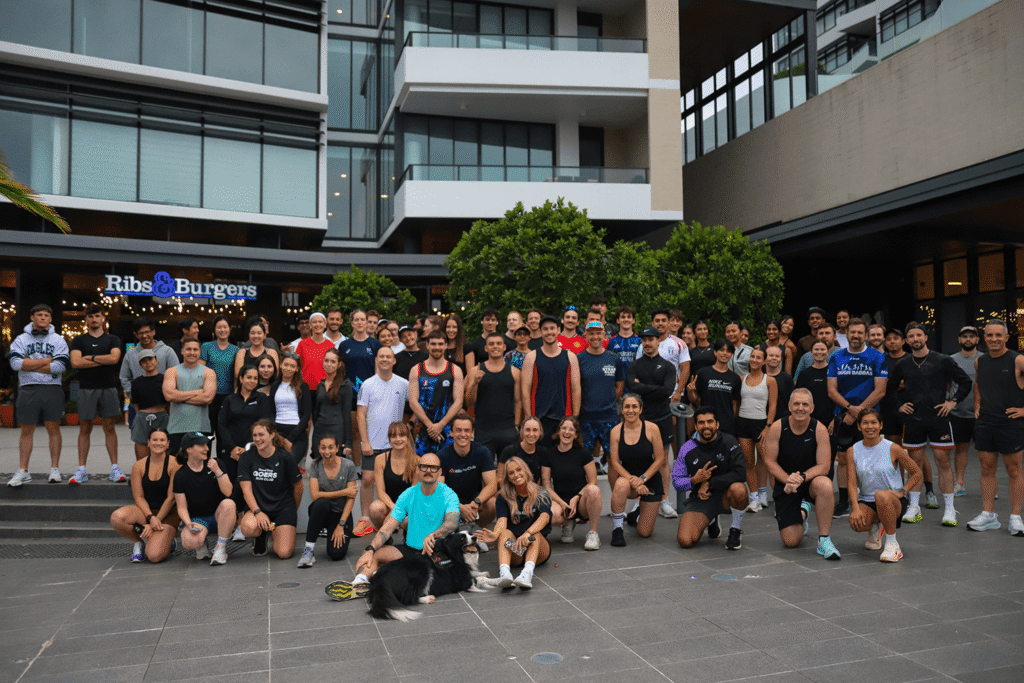
How a club run fits your week
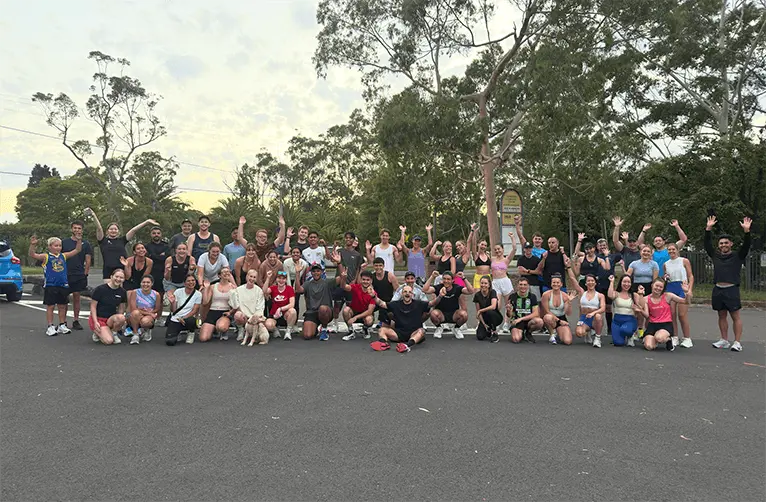
Hills Run Club is a free community running club in the Hills District of Sydney, and both weekly runs are built around options rather than a single pace. Choose the 2.5 km or the 5 km option on Thursday mornings, the 3 km or the 6 km option on Tuesday nights, and walk, jog or run: walkers are welcome at every run.
Running with the club is free. Make a free HRC+ account and register for each run there; the runs page lists what is coming up, including a Thursday Morning Run on 15 October and a Tuesday Night Run on 20 October. Bring nothing special, say hello if you are new, and stay for the coffee afterwards on Thursday mornings.
Yes. Faster running is built on consistency, easy effort and a naturally settling cadence, all of which you can grow on ordinary runs with no race and no watch.
Run the same lap at the same effort every few weeks and compare how it feels: calmer breathing, easier conversation, a friendlier hill and a quicker recovery all say you are improving.
Cadence is how many steps you take per minute. Counting your right foot strikes for 30 seconds and doubling it gives you the number at an easy effort; a small drift upwards over months usually means lighter, more settled form.
One or two regular runs a week is a solid start, and a fortnightly night run or weekly morning run is enough to feel a difference within weeks. Rest days are part of the plan.
No. A phone tracks everything a newer runner needs, and the feelings on a repeated lap tell you most of the story anyway.
Yes. The same lap logic works for walkers, and walkers are welcome at every Hills Run Club run alongside joggers and runners.
More from the newsroom
 13 October 2026
How to stay motivated to run all season
13 October 2026
How to stay motivated to run all season
 13 October 2026
Night racing is booming around the world
13 October 2026
Night racing is booming around the world
 13 October 2026
Sydney marathon training with a run club
13 October 2026
Sydney marathon training with a run club
 13 October 2026
Strava or no Strava: do you need to log your runs?
13 October 2026
Strava or no Strava: do you need to log your runs?
 13 October 2026
Women's running groups in Sydney: how to choose
13 October 2026
Women's running groups in Sydney: how to choose
 13 October 2026
When is City2Surf? Training starts sooner than you think
13 October 2026
When is City2Surf? Training starts sooner than you think