






Newsroom
Best pre-run breakfast foods for runners
Best overall: toast with jam. Best for a grab-and-go morning: a banana. Best when you have more time before a longer run: porridge. This guide compares the best pre run breakfast options by preparation, digestion and how soon you plan to head out in 2026.
Why this matters
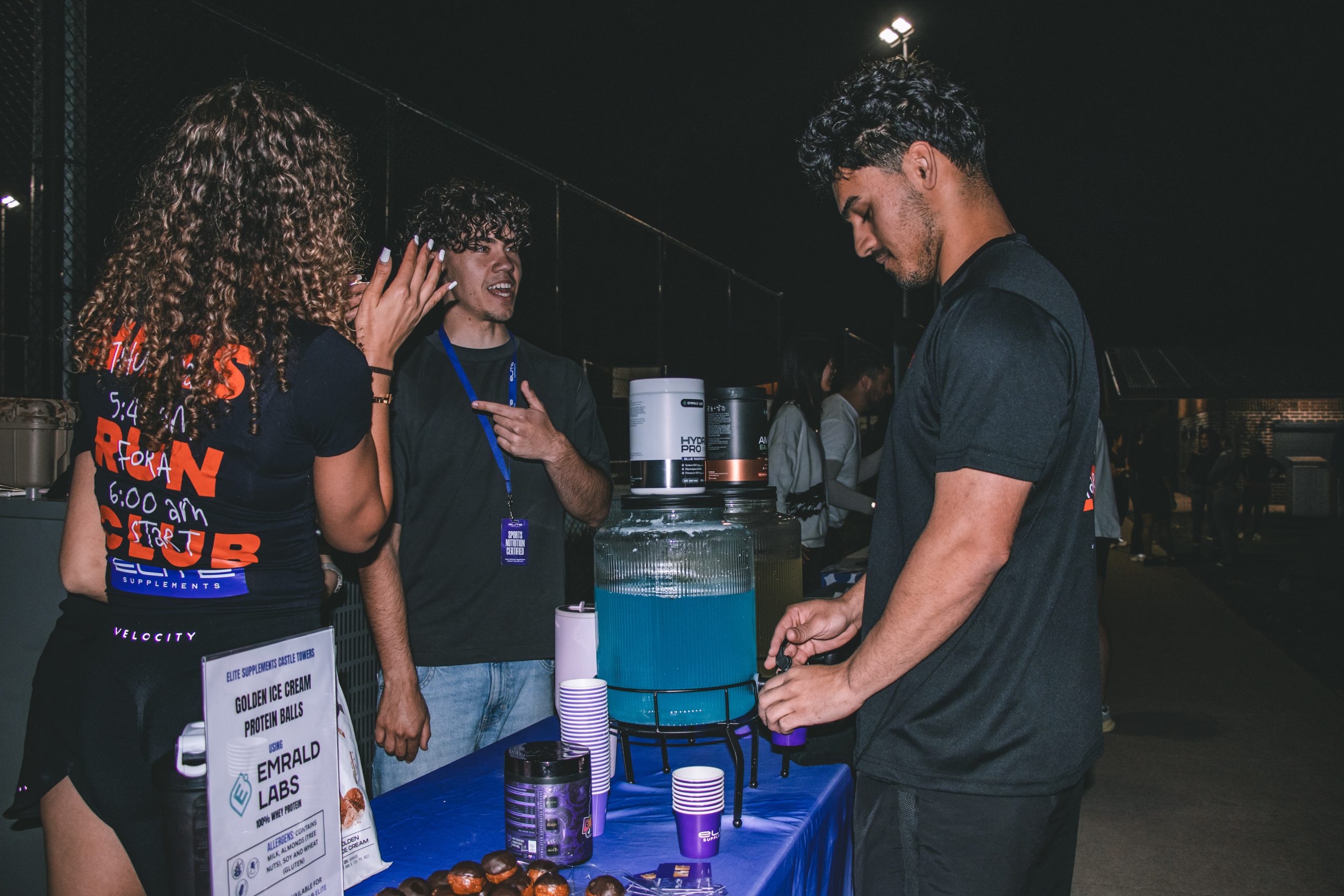
Breakfast should help you arrive at the run feeling comfortable, not become another reason to stay home. That is especially true for a social run: you want to focus on the people beside you, not on a meal that feels heavy once you start moving.
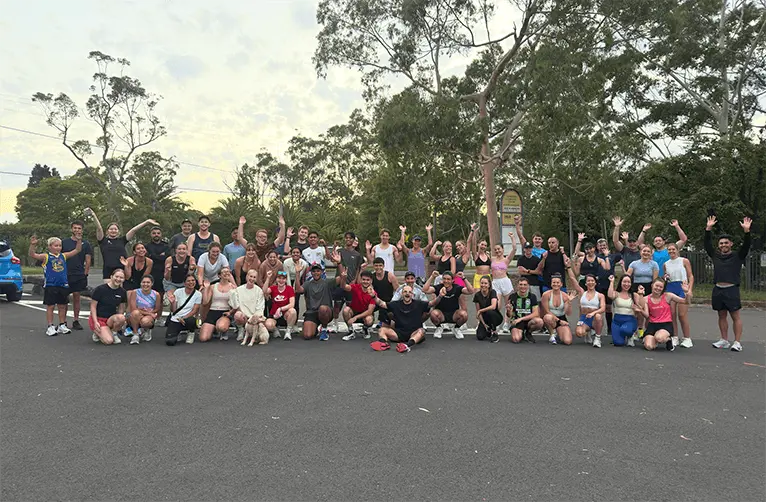
Hills Run Club brings runners, joggers and walkers together in Sydney’s Hills District, including weekly Thursday morning runs at Glenhaven Oval. If you are heading to an early start, the useful question is not whether you have made the perfect breakfast. It is what you already know sits well before movement.
The best choice changes with the time available, your appetite and the run ahead. A small, familiar option can suit an easy morning outing; a larger breakfast needs more time to settle. The 2026 ranking below separates those situations rather than pretending one meal works for everyone.
What makes the best pre-run breakfast
Use these criteria before looking at the ranking. They matter more than whether a breakfast sounds like conventional running food.
- Carbohydrate: Foods such as bread, bananas, oats and rice cakes provide carbohydrate, a useful source of fuel for running. You do not need an elaborate recipe to get it.
- Time before the run: The closer you are to leaving, the more useful a small, simple choice becomes. Give a fuller bowl or a meal containing more fat and protein longer to settle.
- Familiarity: Pick something you have eaten before. A run or walk is a poor place to discover that a new breakfast does not agree with you.
- Stomach comfort: Fibre, dairy and portion size affect people differently. Your usual response is a better guide than someone else’s routine.
- Practicality: An option you can prepare on a busy Thursday morning beats one that requires a new shopping list and extra decisions.
Sports nutrition guidance for longer endurance events commonly describes 1–4 g of carbohydrate per kg of body mass in the 1–4 hours before exercise. That is event-fuelling guidance, not a breakfast target for every easy jog or walk. For a casual social run, start with your appetite, your usual food and how much time you have.
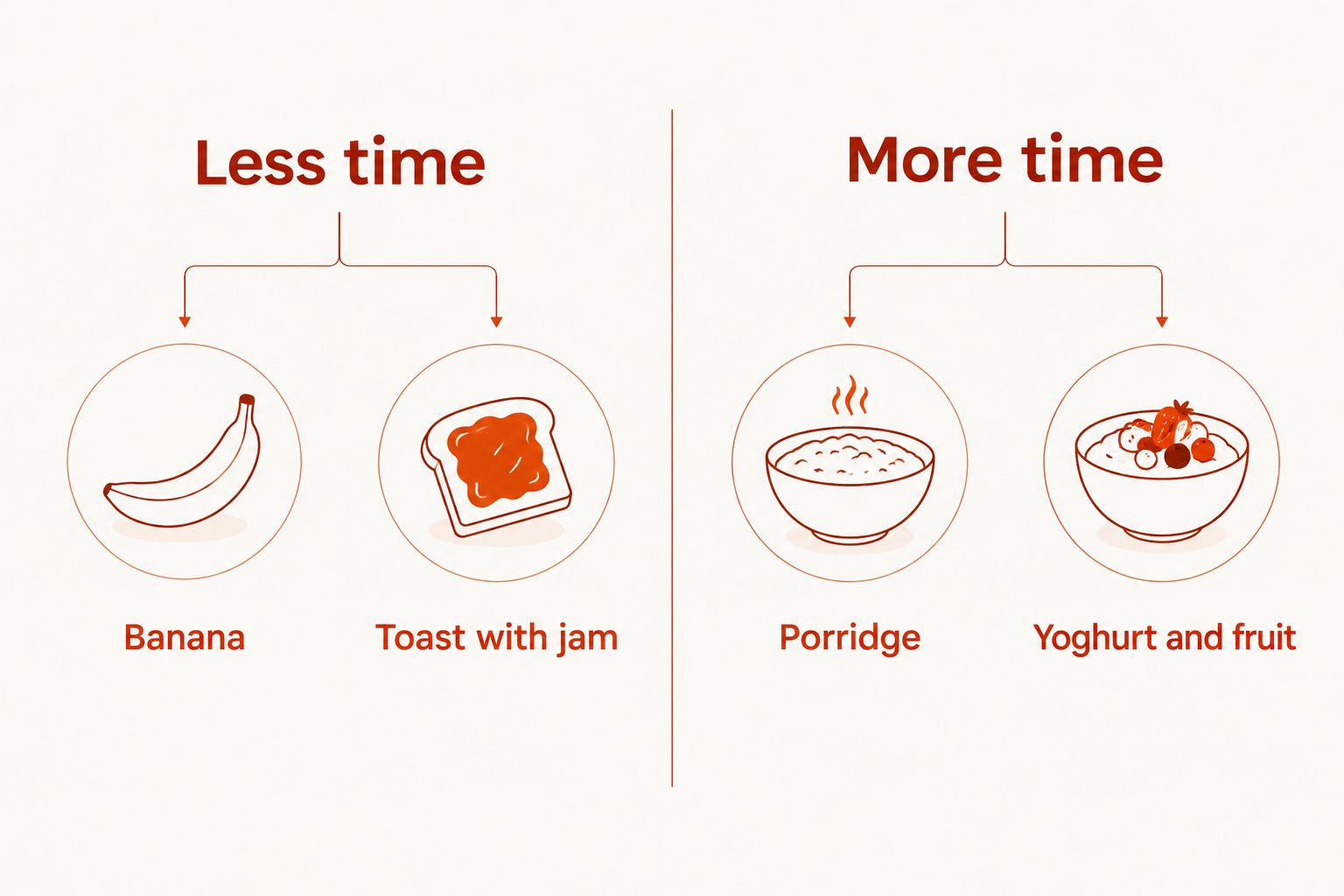
A simple way to sort the choices is less time versus more time. A banana and toast with jam demand little preparation; porridge and yoghurt and fruit give you a fuller breakfast to plan around. Neither side is automatically better. The right side is the one that matches your morning.
Best pre-run breakfast options at a glance in 2026
| Rank and breakfast | Best for | Standout feature | Key limitation |
|---|---|---|---|
| 1. Toast with jam | An everyday early run | Simple carbohydrate with an adjustable portion | Requires bread and time to toast it |
| 2. Banana | A grab-and-go start | No preparation | Too little on its own for someone who wants a full breakfast |
| 3. Porridge | More time before a longer run | A filling oat-based meal | A large bowl can feel heavy close to departure |
| 4. Yoghurt and fruit | A chilled breakfast | Combines fruit with a familiar dairy food | Unsuitable if dairy upsets your stomach |
| 5. Rice cakes with honey | A wheat-free breakfast option | Simple to assemble | Ingredient labels still need checking if you avoid gluten |
These are food choices, not a contest in which the top-ranked option must suit every runner. The ranking puts the most adaptable everyday choice first, then gives distinct alternatives for different mornings. In 2026, the deciding factor is still your own tolerance, not the popularity of a breakfast online.
1. Toast with jam: best pre-run breakfast for an everyday early run
Toast with jam is the default choice if you want a simple breakfast before a morning run. Bread and jam supply carbohydrate without asking you to assemble a full meal. You can keep the portion small when you are leaving soon or have more when you have time and an appetite.
Toast also makes the decision easy on a weekday. You do not need to treat it as a special sports meal; it is ordinary food that fits an early start. Choose bread you already eat comfortably rather than changing to a high-fibre loaf immediately before a run.
Toast with jam pros:
- Straightforward to make with familiar ingredients.
- Easy to adjust the portion to your appetite.
- Gives you a clear alternative to a heavier cooked breakfast.
Toast with jam cons:
- Not useful if you have no time to prepare it.
- Bread choice matters if wheat or a particular loaf does not agree with you.
- A small piece alone will not satisfy everyone before a longer outing.
Best for: An everyday early run when you want food without a complicated routine.
Verdict: Buy the ingredients if toast is already a breakfast you enjoy. If it has never sat well before exercise, choose another option instead.
2. Banana: best pre-run breakfast for a grab-and-go start
A banana is the easiest choice here when you are short on time. It needs no preparation, travels well and provides carbohydrate. It also avoids the problem of making a full breakfast when you are not hungry just after waking.
Its limitation is equally clear: a banana is a small breakfast, not a universal fuelling plan. If you know you get hungry partway through a longer run, allow time for a more substantial meal or plan your food around that session. For a short, relaxed outing, your usual appetite is the better starting point.
Banana pros:
- Ready to eat without cooking or equipment.
- Easy to carry if you leave home early.
- Useful when a large breakfast does not appeal.
Banana cons:
- Can leave you hungry if you need a fuller meal.
- Not everyone likes eating fruit immediately before movement.
Best for: A rushed morning when you want something familiar before heading out.
Verdict: Buy a banana for the mornings when breakfast needs to be simple. Do not force it to stand in for a fuller meal when you already know that will not work for you.
3. Porridge: best pre-run breakfast when you have more time
Porridge suits a morning when you can sit down, eat and leave a gap before running. Oats provide carbohydrate, and a warm bowl feels like a proper breakfast rather than a last-minute snack. Keep the preparation familiar: the closer the run, the less reason there is to experiment with a large serving or rich additions.
This is the strongest choice in the list for someone who wants breakfast to feel substantial. It is not the best choice when you are about to walk out the door. Oats contain fibre, and a big bowl can feel uncomfortable during movement if you have not given it time to settle.
Porridge pros:
- Makes a satisfying breakfast when you have time to eat.
- Easy to prepare in a way you already know you like.
- Fits a morning planned around a longer session.
Porridge cons:
- Needs preparation and time to cool before eating.
- Its fibre or a large portion will not suit every stomach close to a run.
Best for: A longer-run morning when you have time before leaving and already know oats work for you.
Verdict: Buy oats if porridge is part of your usual breakfast rotation. Wait until after the run if your start is close and a full bowl feels like too much.
4. Yoghurt and fruit: best pre-run breakfast if you prefer something chilled
Yoghurt and fruit suit someone who does not want toast or a warm bowl in the morning. Fruit contributes carbohydrate; yoghurt makes the meal more substantial. Choose the combination you normally eat, and adjust the portion to the time you have before heading out.
Dairy is the deciding trade-off. Some people eat yoghurt before running without a problem; others find it uncomfortable. There is no benefit in copying this option if you already know dairy and running do not mix for you. A chilled breakfast should make the morning easier, not give you something else to worry about.
Yoghurt and fruit pros:
- Needs little preparation.
- Works when a hot breakfast does not appeal.
- Lets you use familiar fruit and yoghurt rather than a new recipe.
Yoghurt and fruit cons:
- Dairy can cause discomfort for people who do not tolerate it well.
- A large bowl close to departure can feel heavy.
Best for: Someone who enjoys a chilled breakfast and knows dairy sits comfortably before exercise.
Verdict: Buy familiar yoghurt and fruit if you have eaten them comfortably before activity. Skip the dairy option on a run morning if it regularly upsets your stomach.
5. Rice cakes with honey: best pre-run breakfast when avoiding wheat
Rice cakes with honey offer a simple alternative when toast is not your choice. They are quick to assemble and give you carbohydrate without needing to cook. They also make portion choice straightforward: eat according to your appetite rather than following someone else’s breakfast rule.
Rice cakes are not automatically suitable for every dietary restriction. If you avoid gluten for medical reasons, check the specific product’s label and your own dietary guidance. The same applies to any topping or packaged food you add. Convenience is useful only when the ingredients suit you.
Rice cakes with honey pros:
- Require no cooking.
- Offer an alternative to wheat bread.
- Easy to fit into a short preparation window.
Rice cakes with honey cons:
- Less satisfying than a fuller breakfast for some people.
- Labels need checking when you follow a strict dietary requirement.
Best for: A wheat-free choice when you want a quick carbohydrate-based breakfast and have checked the ingredients.
Verdict: Buy if this is a combination you enjoy and tolerate. Skip it if you need a fuller meal before your run.
How to choose for your next run
Start with the run, then work backwards to breakfast. If you are heading to a relaxed community outing and have limited time, choose a familiar, modest option rather than eating a large meal out of obligation. If you have a longer session planned and more time beforehand, a fuller breakfast becomes easier to fit in.
For example, 30 minutes before leaving is a different situation from 2 hours before leaving. Those are planning examples, not instructions to eat at a fixed time. Use your previous experience to decide whether toast, a banana or a larger bowl leaves you feeling comfortable once you start moving.
Drink according to your thirst and the conditions, too. Breakfast does not replace thinking about water, particularly when it is warm. If a run has a specific fuelling requirement or you manage a medical condition, get individual advice from an accredited sports dietitian rather than treating a general ranking as a meal plan.
The same principle applies if you are joining Hills Run Club for the first time. You can run, jog or walk at your own pace. You do not need to copy another person’s breakfast, and you do not need a performance-focused routine to show up.
How we ranked the breakfasts
The 2026 ranking favours an option that is easy to repeat, supplies carbohydrate and gives you room to adjust the portion. Toast with jam wins that everyday slot. A banana ranks next because it solves a different problem: leaving quickly without preparing food.
Porridge, yoghurt and fruit, and rice cakes with honey each serve a narrower need. They rank by use case, not by a claim that one food produces a faster run than another. The breakfast you tolerate and will actually eat beats a higher-ranked choice that makes your morning harder.
Which pre-run breakfast should you choose?
Choose toast with jam if you are undecided. It is the most adaptable starting point for an early run: familiar food, straightforward preparation and a portion you can change to suit your appetite. Choose a banana instead when you need to leave quickly, or porridge when you have time for a fuller meal.
For a 2026 social run, keep the test simple. Try a breakfast before a familiar outing, pay attention to how you feel and keep what works. Hills Run Club is about turning up and moving together, not proving that you followed a particular breakfast routine.
FAQ
Toast with jam is the best starting choice for an early morning run if you already eat it comfortably. Choose a portion that suits your appetite and the time before you leave.
A banana can suit a short, relaxed run if it leaves you feeling comfortable. If you expect to be hungry during a longer session, plan for a fuller meal when you have time to digest it.
Eat if you are hungry or know you feel better with food before moving. A social run does not require a performance-focused breakfast; your usual appetite and experience are the starting points.
Porridge is better when you want a fuller breakfast and have more time before running. Toast is simpler when your start is closer, provided you tolerate bread well.
Yes, if yoghurt normally sits well with you before exercise. Choose another option if dairy causes you discomfort, especially close to your start.
Rice cakes with honey are one alternative to wheat toast. Check the specific product label if you avoid gluten for medical reasons, and choose food you already know you tolerate.
No, walkers do not need a special breakfast to join a community run. Eat in a way that suits your appetite, the length of your outing and how you feel when you move.
One last thing
The most useful breakfast test happens on an ordinary morning, not before an event you have been looking forward to. Keep the food familiar, notice how you feel during the run and change one thing at a time. At Hills Run Club, you can show up as a runner, jogger or walker; breakfast is there to support that choice, not set an entry standard.
Related guides
More from the newsroom
 27 September 2026
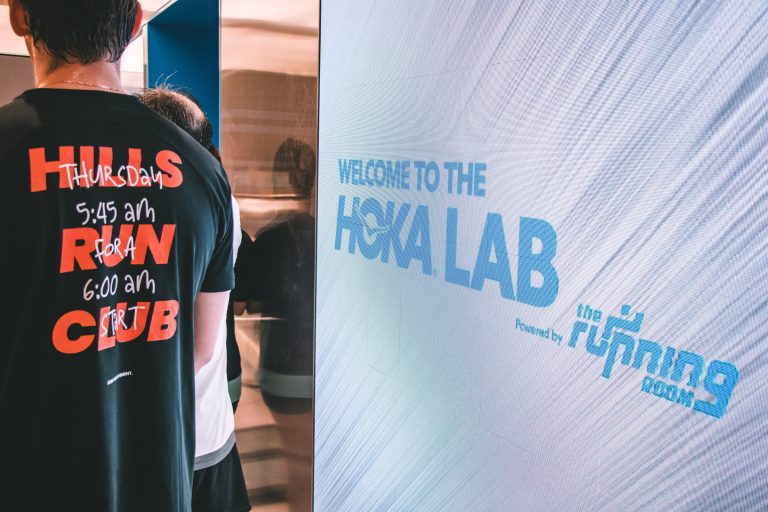
Hills Run Club x HOKA & The Running Room
27 September 2026
Hills Run Club x HOKA & The Running Room
 27 September 2026
Hills Run Club joins Sydney’s run clubs at the adidas Hype Relay
27 September 2026
Hills Run Club joins Sydney’s run clubs at the adidas Hype Relay
 27 September 2026
Best gifts for runners
27 September 2026
Best gifts for runners
 27 September 2026
Best running apps for beginners
27 September 2026
Best running apps for beginners
 27 September 2026
Best post-run stretches and recovery routines
27 September 2026
Best post-run stretches and recovery routines
 27 September 2026
Best marathon training plans for beginners
27 September 2026
Best marathon training plans for beginners