






Newsroom
Best post-run stretches and recovery routines
Best overall: the standing calf stretch for an easy, equipment-free start. Best for the front of your thighs: the supported quad stretch. Best seated option: the chair figure-four stretch. This 2026 guide ranks the best post run stretches by where you feel tight and how easily you can settle into each position.

Why this matters
A post-run routine is easier to keep when it fits the run you actually did. After a social run, you do not need to work through every stretch on a checklist. Walk until your breathing settles, then choose the position that feels useful today.
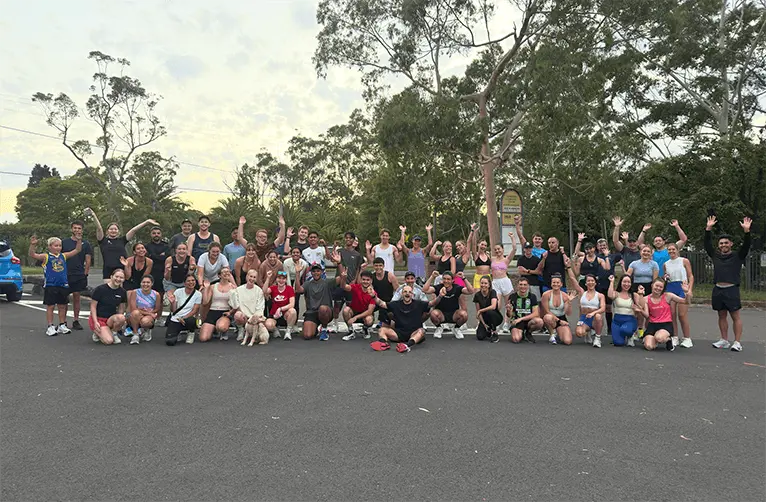
That approach suits Hills Run Club, where runners, joggers and walkers move at their own pace. If you are heading from a Thursday morning run at Glenhaven Oval to a conversation over coffee, a short, comfortable routine is easier to fit in than a long session on the ground.
Stretching is not a test of flexibility or a promise that you will avoid soreness. In 2026, the useful question is simpler: can you get into the position comfortably, feel a gentle stretch and get out without pain? If the answer is no, choose another option. Stop if you feel sharp pain, dizziness or an unusual symptom; seek medical advice for symptoms that persist.
What makes the best post run stretches?
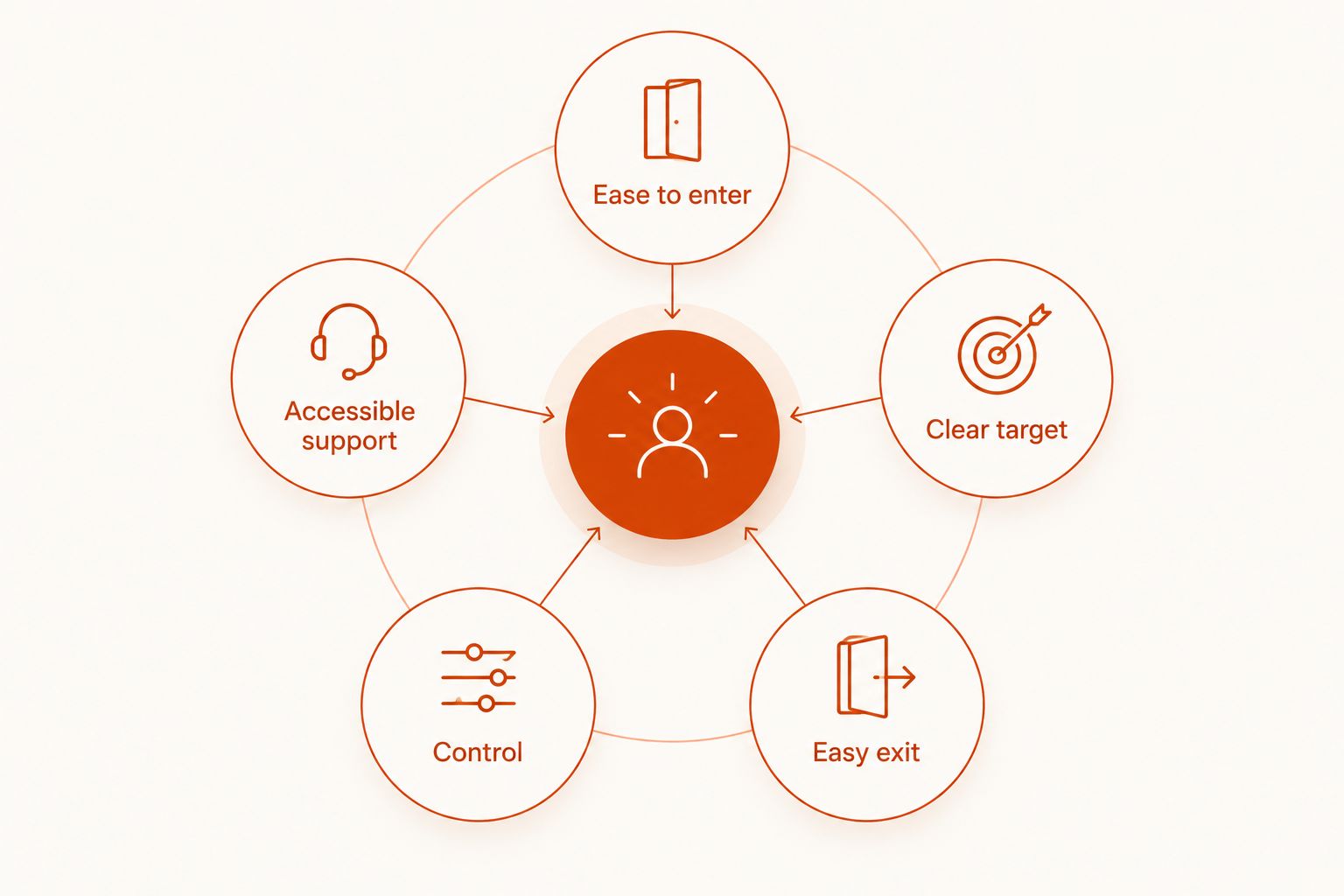
These five criteria put comfort and access ahead of how far you can reach:
- Ease to enter: You can set up the stretch without balancing precariously or twisting into position.
- Accessible support: A wall, chair or steady surface is available when you need it.
- Clear target: You can tell which area the position addresses, then choose it only when relevant.
- Control: You decide how deep to go and can ease off immediately.
- Easy exit: You can stand up or change sides without a struggle.
The ranking is a decision aid, not a claim that one stretch produces the best recovery for everyone. A calf stretch leads because it is simple to try while standing and needs no floor space. If your calves feel fine, skip it and use the table to find a better match. That is the rule for choosing among the best post run stretches in 2026: match the position to your body, not to its place on a list.
The best post run stretches at a glance
| Stretch | Best for | Standout feature | Key limitation |
|---|---|---|---|
| Standing calf stretch | An easy first stretch after a run | No floor space needed | Skip it if it aggravates your heel or calf |
| Supported quad stretch | Tightness at the front of the thigh | Support makes balance easier | Holding the foot does not suit everyone |
| Half-kneeling hip-flexor stretch | A gentle front-of-hip option | Small shifts change the stretch | Kneeling can be uncomfortable |
| Chair figure-four stretch | A seated glute stretch | Uses a stable chair | The position can bother the knee |
| Supine hamstring stretch | A supported back-of-thigh stretch | Your back stays on the ground | Requires a clean, comfortable place to lie down |
Hills Run Club is best for people who want a social run without a pace requirement; no particular stretch is required to take part. Use the table as a menu after your next run, not as a routine you have to finish.
1. Standing calf stretch: best post run stretch for an easy start
Place your hands against a wall or other stable surface. Step one foot back, keep that heel down and gently bend your front knee until you feel a stretch in the back calf. Keep both feet pointing in a comfortable direction; do not press through pain to make the stretch stronger.
This is the default pick when you want to start stretching without sitting down. It is particularly convenient after a run through the Hills District because you can do it before finding somewhere to sit. Try 20 seconds on each side as a simple routine choice, then move on if it feels comfortable.
Standing calf stretch pros:
- Needs no mat or floor space.
- A wall gives you a steady place for your hands.
- You can reduce the stretch by shortening your stance.
Standing calf stretch cons:
- It is not useful when your calves do not feel tight.
- It is a poor choice if the position causes heel or calf pain.
Best for: Runners and walkers who want a straightforward standing stretch, especially when their calves feel tight. Verdict: Hold gently; skip it if the position hurts.
2. Supported quad stretch: best for the front of your thighs
Stand beside a wall or steady chair. Bend one knee and bring that foot towards you, holding your ankle or the back of your shoe only if you can reach it comfortably. Keep your standing knee soft and avoid pulling your foot hard towards your body.
Support is the difference between this version and trying to balance on one leg after a run. If you cannot comfortably reach your foot, do not strain for it; move to another stretch. Try 20 seconds per side if the position feels steady, with a relaxed release between sides.
Supported quad stretch pros:
- Targets the front of the thigh without needing to lie down.
- A wall or chair takes the focus off balancing.
- It is easy to stop as soon as you feel discomfort.
Supported quad stretch cons:
- Reaching back for your foot does not suit every runner.
- The bent-knee position can feel uncomfortable at the knee.
Best for: Someone who feels tightness at the front of the thigh and can hold the position without knee pain. Verdict: Hold with support; skip the foot grab if you have to force it.
3. Half-kneeling hip-flexor stretch: best for the front of your hips
Kneel on one knee with the other foot in front. Start upright, then shift your weight forward a little until you feel a gentle stretch near the front of the hip on the kneeling side. Keep the movement small; pushing far forward or arching your lower back is not the goal.
A folded towel under the kneeling knee can make the setup more comfortable if you have one. If kneeling still feels unpleasant, stand up and choose a different position. The benefit of this stretch is control: you can make a tiny adjustment and immediately tell whether it helps.
Half-kneeling hip-flexor stretch pros:
- Gives you a clear way to adjust the stretch gradually.
- Works one side at a time.
- Needs no equipment when kneeling feels comfortable.
Half-kneeling hip-flexor stretch cons:
- Putting weight on a knee is uncomfortable for some people.
- It requires more space and setup than a standing stretch.
Best for: Someone who wants a gentle front-of-hip option and is comfortable kneeling. Verdict: Hold a small, controlled position; skip it when the kneeling knee objects.
4. Chair figure-four stretch: best seated option for your glutes
Sit on a stable chair with both feet on the ground. Rest one ankle across the opposite thigh, keeping the raised foot relaxed rather than pushing down on its knee. Sit tall; if it feels comfortable, lean forward slightly from your hips until you notice a gentle stretch around the glute on the raised-leg side.
This option makes sense when you want to sit and chat after a run rather than find space on the ground. Hills Run Club is built around showing up and connecting, so your post-run routine can fit around a conversation. The stretch stays optional: some hips and knees do not like the figure-four position.
Chair figure-four stretch pros:
- Lets you stay seated.
- You control the stretch by changing how far you lean.
- You can return both feet to the floor quickly.
Chair figure-four stretch cons:
- It depends on having a stable chair available.
- Crossing the leg can cause knee or hip discomfort.
Best for: Someone who wants a seated glute stretch and can cross one ankle over the opposite thigh comfortably. Verdict: Hold without pressing on the raised knee; skip it if the joint hurts.
5. Supine hamstring stretch: best supported back-of-thigh option
Lie on your back and raise one leg until you feel a gentle stretch behind the thigh. Keep a comfortable bend in the knee. Hold behind the thigh, or use a towel around the leg if that makes the position easier to reach; your other leg can stay bent with its foot on the ground.
You do not need to straighten the raised knee or pull the leg towards your face. The supported position removes the need to balance, but it only belongs in your routine when you have somewhere clean and comfortable to lie down. For a quick stop beside an oval, a standing option is often simpler.
Supine hamstring stretch pros:
- You do not have to balance on one leg.
- Bending the raised knee lets you reduce the stretch.
- It is easy to compare how each side feels.
Supine hamstring stretch cons:
- It needs enough floor space to lie down.
- It is inconvenient when the ground is wet or you want to keep moving.
Best for: Someone who wants a supported back-of-thigh stretch and has a suitable place to lie down. Verdict: Hold with a soft knee; skip it when the setting makes it awkward.
How to build a post-run routine you will actually use
In 2026, keep the routine short enough that you will do it after an ordinary run, not just when you have extra time. Start with 5 minutes of gentle walking as a practical way to slow down. Then choose one or two stretches from the table based on where you feel tight; there is no need to complete all five.
- If you want to stay standing: Try the calf stretch, then the supported quad stretch if the front of your thighs feels tight.
- If you want to sit: Use the chair figure-four only if crossing your ankle feels comfortable.
- If you have space to kneel or lie down: Choose the hip-flexor or hamstring option that matches where you feel tight.
- If nothing feels tight: Finish your walk and move on. Stretching does not need to become another task.
Keep each movement gentle and breathe normally. Do not bounce, compete with the person beside you or stretch through pain. A position that felt fine after one run can feel different after another; change your choice instead of forcing the same routine every time.
How these stretches were ranked
The order puts ease of use first: standing stretches lead because you can try them without getting on the ground, while seated and floor-based options answer more specific needs. The table also makes each limitation visible. A stretch that works well for someone else is not the right recommendation for you if getting into it causes pain.
This is a practical ranking of post-run options, not a claim that stretching prevents soreness or replaces treatment for an injury. The 2026 default remains the same whether you run, jog or walk: slow down, choose what feels comfortable and leave out what does not.
Which post run stretches should you choose?
Start with the standing calf stretch if your calves feel tight and you want the simplest option. Pick the supported quad stretch for the front of your thighs, the half-kneeling position for the front of your hips, the chair figure-four for your glutes or the supine hamstring stretch for the back of your thigh. Each has a different job; none is compulsory.
For a Hills Run Club morning at Glenhaven Oval, you can walk gently after finishing, try a standing stretch and still make time for coffee and conversation. For a fortnightly Tuesday night run, the same rule applies: choose a comfortable position that fits where you are. In 2026, the best post run stretches are the ones you can do without turning a social run into another performance target.
FAQ
Start with a gentle walk and try the standing calf stretch if your calves feel tight. Choose one other comfortable position only if it addresses an area that needs attention.
Walk gently first, then stretch when you feel ready to settle into a position. Do not force a stretch while you are still catching your breath.
Try a comfortable 20-second hold on each side as a simple routine choice. Release sooner if the position causes pain or you cannot maintain it comfortably.
The standing calf stretch is a convenient first choice if your calves feel tight after a hilly run. If another area needs attention instead, choose the stretch that matches it.
A chair figure-four is better when you want a seated glute stretch and have a stable chair. A floor-based option suits someone who wants support while stretching the back of the thigh.
No. Hills Run Club welcomes people moving at their own pace, and you can choose a short, comfortable routine or simply walk after finishing.
Do not rely on stretching to prevent soreness. Use gentle stretches when they feel comfortable, and seek medical advice for pain or symptoms that persist.
One last thing
The easiest routine to overlook is also the most flexible: you can finish with a walk and a conversation. If a stretch helps you feel comfortable, make room for it. If it hurts or feels like an obligation, leave it out. Run together. Belong together.
Related guides
More from the newsroom
 27 September 2026
Hills Run Club x HOKA & The Running Room
27 September 2026
Hills Run Club x HOKA & The Running Room
 27 September 2026
Hills Run Club joins Sydney’s run clubs at the adidas Hype Relay
27 September 2026
Hills Run Club joins Sydney’s run clubs at the adidas Hype Relay
 27 September 2026
Best gifts for runners
27 September 2026
Best gifts for runners
 27 September 2026
Best running apps for beginners
27 September 2026
Best running apps for beginners
 27 September 2026
Best pre-run breakfast foods for runners
27 September 2026
Best pre-run breakfast foods for runners
 27 September 2026
Best marathon training plans for beginners
27 September 2026
Best marathon training plans for beginners