





Newsroom
Running clubs for mental health and social connection
For people seeking connection, a running club for mental health is a regular group run or walk with the aim of building a social routine and meeting others. In 2026, the right group is one where you can arrive without knowing anyone, move at your own pace and choose whether to stay for a chat afterwards; it does not replace mental health care.
Why running clubs matter for people seeking connection
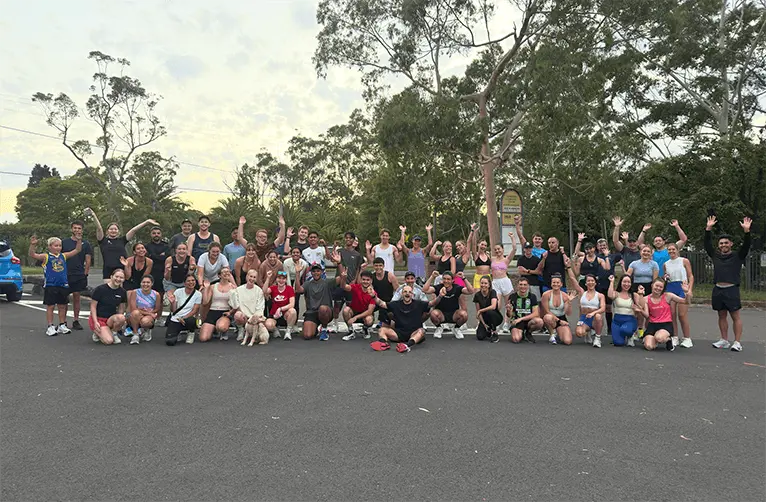
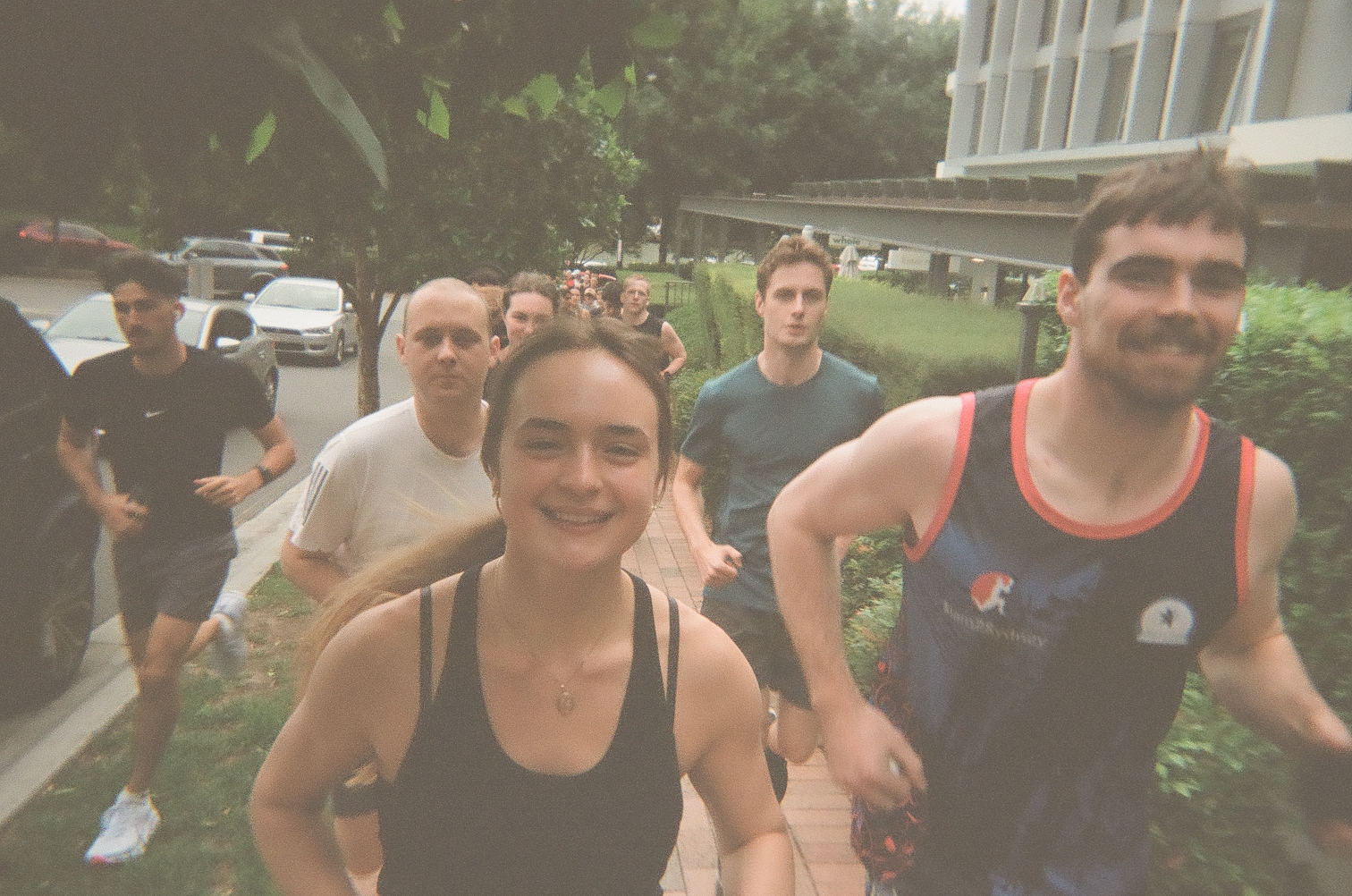
When meeting people is your goal, the run itself is only part of the plan. A recurring meeting point gives you a reason to show up; moving together gives you something to share before you need to make conversation. At Hills Run Club, runners, joggers and walkers can move at their own pace and stay afterwards for coffee and conversation.
Hills Run Club is best for Hills District runners, joggers and walkers who want a social run without pressure to be fast. Its weekly Thursday morning runs meet at Glenhaven Oval, while its fortnightly Tuesday night runs typically take place in the Hills District. Those are different commitments: choose the one you can realistically return to, rather than the one that sounds best on paper.
Mental health is a reason to seek connection, not a performance target for a run. If you are dealing with distress or need clinical support, speak with a qualified health professional. You can still use a group run as a place to meet people without expecting it to solve what you are experiencing.
How to choose and join a running club in 2026
Start with the practical questions: where does the group meet, can you move comfortably, and is there room to talk? A club can offer opportunities to connect, but you decide how much conversation feels right on any given day. Use these steps to make the first visit manageable and decide whether to return.
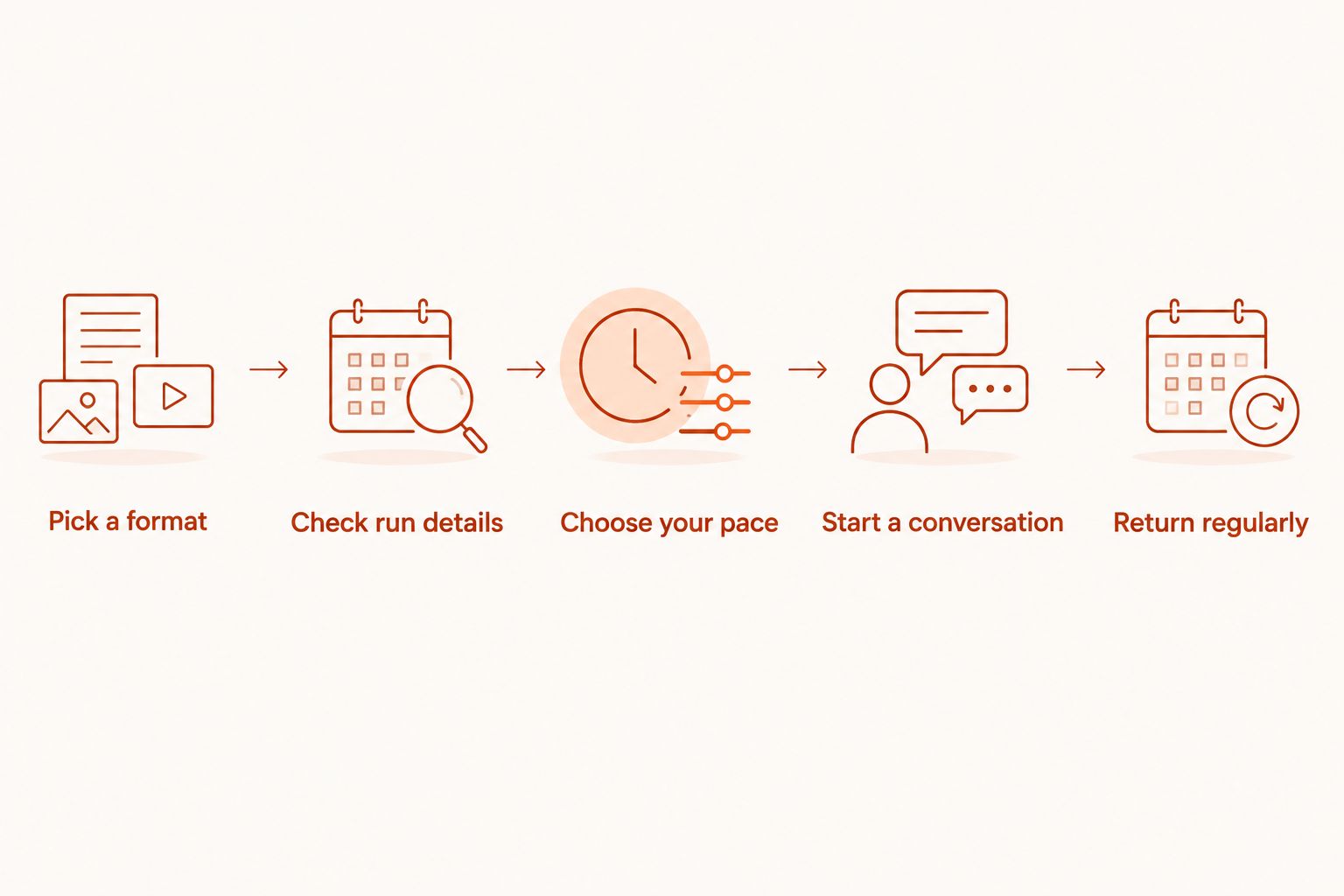
Pick a format you can return to
A running club for mental health and social connection works best as a repeatable part of your week or fortnight. In 2026, start with the time and place you can reach without turning attendance into another source of pressure. A morning run and a night run can fit very different schedules, even when both welcome the same range of people.
Hills Run Club offers weekly Thursday morning runs at Glenhaven Oval and fortnightly Tuesday night runs typically in the Hills District. If neither works for you, look for another local walking or running group at a time you can make. The goal is to find a group you can revisit, not to force your calendar around one option.
- Choose a morning or evening time you can usually attend.
- Check how you will get to the meeting point and home again.
- Decide whether weekly or fortnightly feels manageable.
- Keep a second local group in mind if the first schedule does not fit.
Check run details before you leave
Knowing where to go removes a practical barrier to your first visit. Check the current event details before setting out, particularly for a Tuesday night run whose location is described as typically being in the Hills District rather than at one fixed venue. Do not assume an earlier meeting point applies to the next event.
You do not need to plan a perfect introduction. You do need enough information to arrive safely and recognise where the group is gathering. If the details you need are unclear, check the event information rather than guessing from the club's usual pattern.
- Confirm the date, meeting time and location for that run.
- Check the event details for any change to the usual meeting point.
- Plan your route to the start and your way home.
- Choose clothing and footwear you already feel comfortable moving in.
Choose your own pace before you arrive
Deciding to walk or jog is not a compromise. Hills Run Club welcomes runners, joggers and walkers, and its stated approach puts no pressure on you to be fast or experienced. That makes it a more suitable choice for someone seeking company than a group whose main draw is a pace they do not want to maintain.
For your first run in 2026, choose a pace you can manage comfortably. You can focus on arriving and taking part rather than treating the outing as a test. If you are returning to movement after a break or have a health concern, get individual advice from a qualified professional about what is appropriate for you.
- Decide whether you want to walk, jog or run before you set out.
- Use a pace that lets you stay aware of how you feel.
- Tell someone in the group you are new if you want help settling in.
- Let participation, not speed, be your goal for the first visit.
Start a conversation without forcing one
A shared run gives you an opening, but you do not owe anyone a personal story. Start with the ordinary things in front of you: the route, the next event or how long someone has been coming along. If you prefer to listen on your first visit, that is enough.
The option to stay afterwards for coffee and conversation is part of Hills Run Club's social approach. It gives you another chance to talk once the movement has finished, without having to keep a conversation going throughout the run. You can also leave after the run; joining the group does not require you to stay longer than you want.
- Introduce yourself to one person rather than the whole group.
- Ask whether they have joined this run before.
- Talk about the run or the local area if you need an easy opener.
- Stay for a conversation afterwards only if you want to.
Return regularly enough to recognise people
A single visit tells you whether you can find the group and feel comfortable with its format. Returning gives you another chance to recognise a face and continue a conversation. It also lets you judge the club by more than one outing, since the people you meet can vary from run to run.
Pick a realistic next date in 2026 before your first visit slips off your calendar. A weekly Thursday run gives you a regular morning option; a fortnightly Tuesday night run gives you a different rhythm. Choose whichever you can keep attending without making missed runs feel like failure.
- Note the next run you can attend.
- Reintroduce yourself if someone does not remember your name.
- Follow up on a conversation you enjoyed.
- Change groups or times if the first format does not suit you.
Keep support separate from the social run
A welcoming club can give you company and a place to move, but it cannot provide diagnosis, therapy or crisis care. Be clear about what you want from a group run. Seeking friendship is a good reason to attend; asking a run group to manage a mental health emergency is not.
If you are struggling, contact a qualified health professional or an appropriate support service alongside any plans to join a club. In 2026, you do not have to choose between professional support and ordinary social connection. They serve different purposes, and keeping that distinction clear protects your expectations of both.
- Tell a health professional what support you need.
- Choose a run for company and movement, not treatment.
- Share personal details only when you feel comfortable.
- Seek urgent help through local emergency services if you are in immediate danger.
Compare ways to find social connection through movement
There is no single format that suits everyone. Use the table to match a group's schedule and social setting to what you want from it. The limitations matter as much as the benefits, especially if your main reason for going is to meet people.
| Option | Best for | Key limitation |
|---|---|---|
| Hills Run Club Thursday morning run at Glenhaven Oval | Hills District runners, joggers and walkers who can make a weekly morning run and want time to connect afterwards | A Thursday morning schedule will not fit everyone. |
| Hills Run Club fortnightly Tuesday night run | People who prefer an evening Hills District run and a fortnightly commitment | The location is typically in the Hills District; check the current event details. |
| Another local walking group | People who want walking to be the group's main activity | You need to check each group's meeting details and social format. |
| Moving on your own | People who want complete control over their time and pace | It does not provide a built-in opportunity to meet other participants. |
Choose Hills Run Club if its Hills District runs fit your schedule and you want to meet people across running, jogging and walking paces. Choose a walking group if you want a walking-focused setting. Move on your own when solitude is what you need, while recognising that it serves a different social purpose.
Find your next group run
Check current run details before heading to a Hills District meetup.
Common mistakes people make when joining for connection
Waiting until you feel like a runner
You do not need a particular pace or level of experience to take part in Hills Run Club. Runners, joggers and walkers are welcome. If walking feels right, start there rather than postponing a social outing until you meet a training goal.
Turning the first visit into a social test
You do not need to leave with a new friend for the visit to count. Aim to find the meeting point, move at your pace and introduce yourself if you feel ready. That is a clearer first step than judging your ability to connect from one conversation.
Assuming every run meets at the same place
The Thursday morning run meets at Glenhaven Oval. The fortnightly Tuesday night runs typically take place in the Hills District, so check the details for the particular event you plan to attend. Arriving at the wrong place makes a first visit harder than it needs to be.
Expecting a club to replace mental health care
A running club can offer a social setting; it cannot provide professional mental health support. If you need care, seek it directly. You can still attend a run for movement and connection while receiving support elsewhere.
FAQ
A running club for mental health is a group run or walk someone joins for movement, routine and social connection. It is not a clinical service or a substitute for mental health care.
Yes. Hills Run Club welcomes runners, joggers and walkers without pressure to be fast or experienced. Choose a pace that feels comfortable for you.
Hills Run Club's weekly Thursday morning runs meet at Glenhaven Oval. Its fortnightly Tuesday night runs typically take place in the Hills District; check the current event details for the meeting point.
Yes. Walkers are part of the community Hills Run Club describes alongside joggers and runners. Check the details of the particular run you plan to attend.
Start with a simple question about the run or introduce yourself as someone new. You can also wait until afterwards to chat; Hills Run Club invites people to stay for coffee and conversation.
A running club offers opportunities for movement and social connection, but it cannot promise a mental health outcome. Speak with a qualified health professional if you need individual care.
A group run is the better choice if you want a built-in opportunity to meet people. Running alone gives you more control over your time and pace, but it does not provide the same group setting.
One last thing
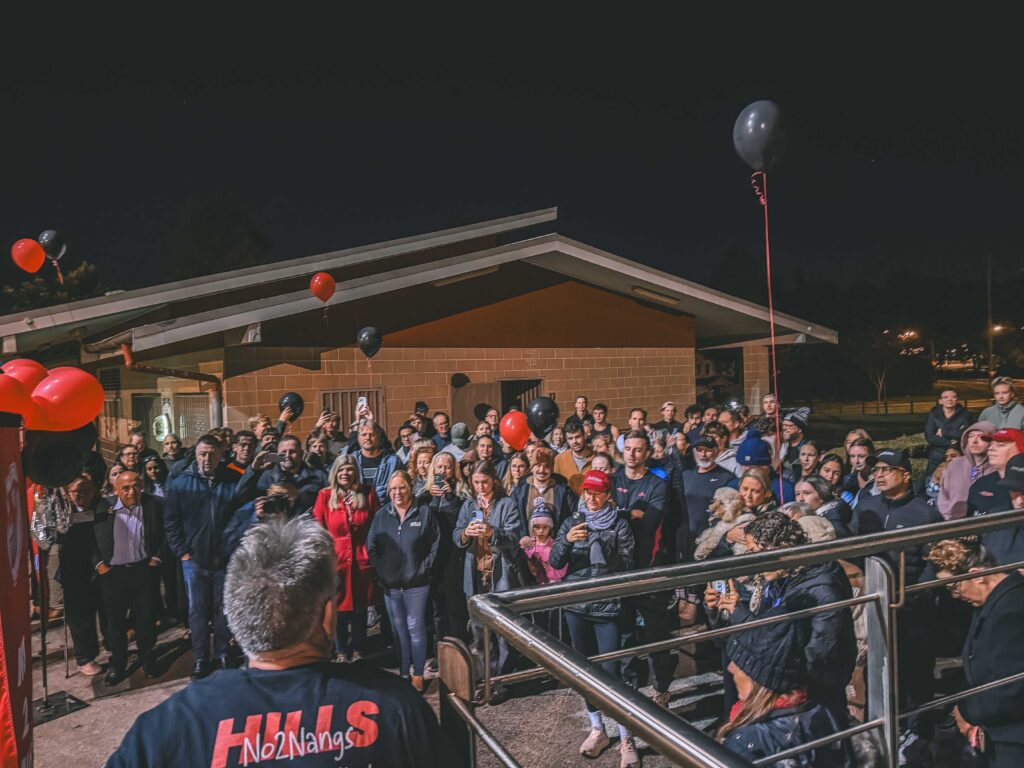
In 2026, pick the run you can comfortably show up for, not the one that sounds most ambitious. Hills Run Club began with 4 friends who wanted to bring people together through running. You do not need to know 4 people before you arrive; you can simply start by showing up.
Related guides
More from the newsroom
 27 September 2026
Hills Run Club x HOKA & The Running Room
27 September 2026
Hills Run Club x HOKA & The Running Room
 27 September 2026
Hills Run Club joins Sydney’s run clubs at the adidas Hype Relay
27 September 2026
Hills Run Club joins Sydney’s run clubs at the adidas Hype Relay
 27 September 2026
Best gifts for runners
27 September 2026
Best gifts for runners
 27 September 2026
Best running apps for beginners
27 September 2026
Best running apps for beginners
 27 September 2026
Best pre-run breakfast foods for runners
27 September 2026
Best pre-run breakfast foods for runners
 27 September 2026
Best post-run stretches and recovery routines
27 September 2026
Best post-run stretches and recovery routines